Why BYD Means Build Your Dreams: The Billion-Dollar Business Behind the World's Smartest Brand Names
Why the World's Biggest Brands Hide Billion-Dollar Marketing Strategies Inside Their Names
Before Consumers Buy a Product, They Buy a Story.
The world's most valuable companies spend billions of dollars every year competing for one thing: attention.
Apple launches cinematic product events.
Tesla dominates headlines without buying traditional advertising.
Google has become synonymous with internet search.
NVIDIA is now one of the most searched technology companies on the planet because of the AI boom.
Yet some companies have discovered a marketing advantage that cannot be copied with advertising budgets alone.
They embed the story directly into their name.
It is branding at its most elegant.
When China's EV giant BYD expanded into Europe, India and Latin America, millions of consumers searched a simple question:
"What does BYD stand for?"
The answer surprised many.
Build Your Dreams.
Suddenly, the company wasn't just another electric vehicle manufacturer competing with Tesla.
It had a philosophy.
Likewise, when Mahindra introduced its next-generation electric vehicles under the BE brand, it wasn't merely launching another EV lineup.
It was introducing a promise.
Born Electric.
Two letters.
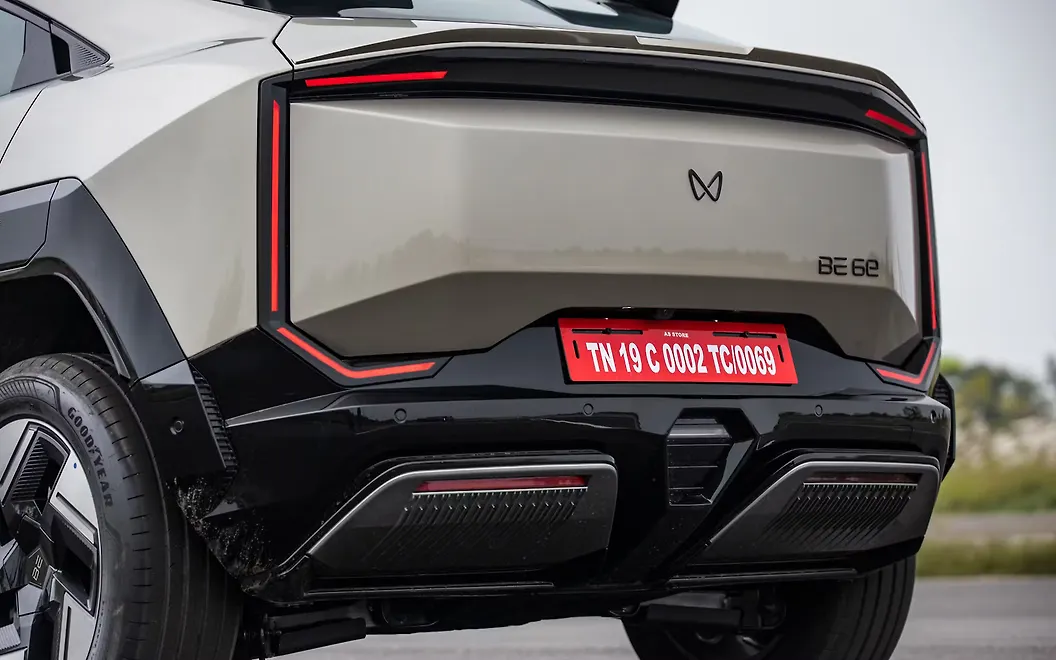
One positioning statement.
One marketing campaign that never stops running.
In today's AI-powered economy, where Google Search, ChatGPT, YouTube, TikTok and Reddit influence purchasing decisions before a customer ever walks into a showroom, names have become far more than identifiers.
They've become searchable stories.
The Billion-Dollar Business of Naming
At Micromunch, we often examine how business strategy hides in places most consumers never notice.
Brand names are one of those places.
Companies spend years—and in some cases millions of dollars—developing a name because they understand a simple truth.
Products evolve.
Logos get redesigned.
Advertising campaigns expire.
But names endure.
Some of the world's most iconic businesses have carried the same name for decades while entire industries transformed around them.
That consistency creates one of the most valuable assets in modern business:
Brand recall.
BYD Didn't Sell Cars First. It Sold a Dream.
Before BYD became one of the world's largest electric vehicle manufacturers, it was known primarily as a battery company.
Today, it competes with Tesla, Volkswagen and other automotive giants.
Its name has become part of its competitive advantage.
"Build Your Dreams" immediately communicates optimism.
It speaks to innovation.
To sustainability.
To the future.
Whether intentional or not, the phrase aligns perfectly with the global conversation surrounding electric vehicles, renewable energy and clean technology.
That's marketing working before a salesperson says a single word.
Mahindra's BE May Be India's Smartest EV Branding Move
The Indian automotive industry is entering one of its biggest transitions since liberalization.
Every manufacturer wants consumers to believe its electric vehicles are built for the future.
Mahindra chose to say exactly that.
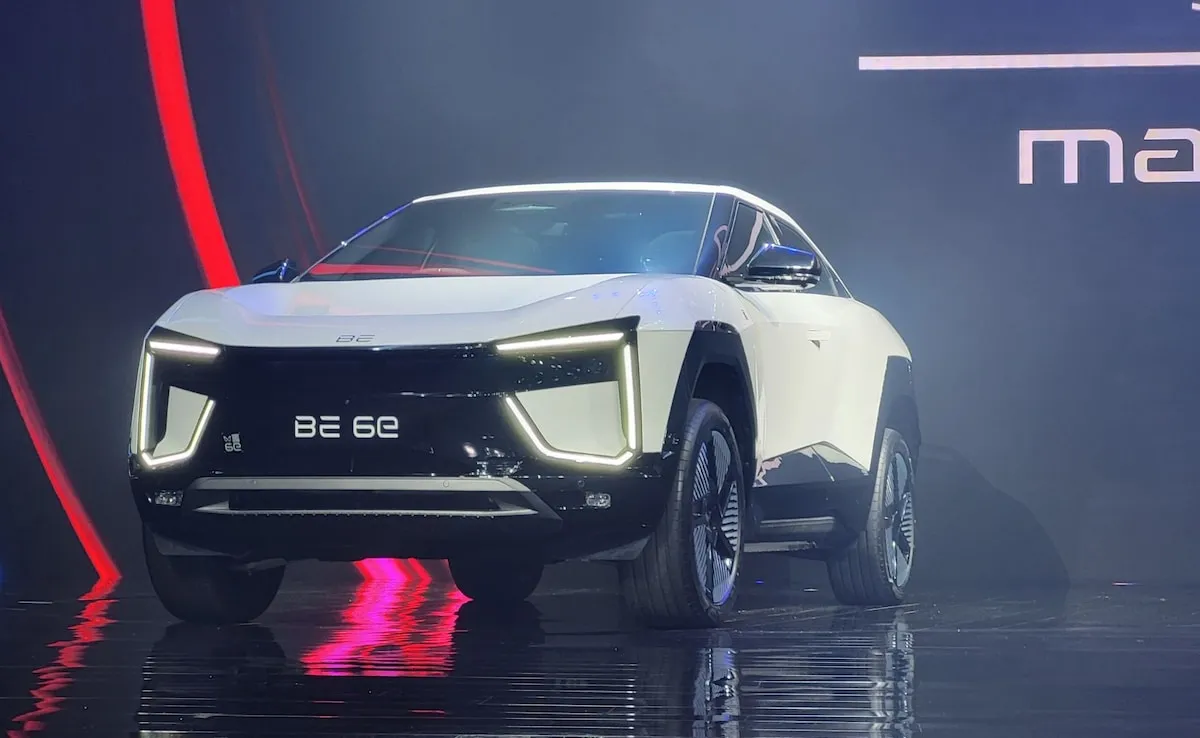
Rather than emphasizing batteries, motors or charging speeds, the company chose identity.
Consumers instantly understand the difference between an EV platform designed from scratch and one adapted from a petrol vehicle.
That's remarkably efficient communication.
Good branding doesn't explain.
It implies.
The Hidden Meanings Behind Global Brands
Great companies rarely choose names by accident.
Sometimes those names are acronyms.
Sometimes they're founder stories.
Sometimes they're linguistic masterpieces.
IKEA
Ingvar Kamprad.
Elmtaryd.
Agunnaryd.
A founder.
A family farm.
A Swedish village.
Together, they created one of the most recognizable retail brands in history.
LEGO
Not an acronym.
Instead, it comes from the Danish phrase Leg Godt—
"Play Well."
Few names have remained so perfectly aligned with their mission for nearly a century.
LG
Originally Lucky Goldstar, the company later reinvented itself with perhaps one of the cleverest pieces of modern branding.
Life's Good.
Same initials.
Entirely new emotional meaning.
IBM
International Business Machines.
The name sounds almost industrial today.
Yet it still communicates authority, scale and technological leadership.
Some names age.
Others become institutions.
SAP
Systems, Applications and Products.
An unglamorous name for an enterprise software company.
Exactly what its customers wanted.
Clarity often beats creativity.
Why Consumers Love Hidden Meanings
Behavioral psychology offers an interesting explanation.
Humans enjoy discovering secrets.

When someone learns that BYD means Build Your Dreams or that LEGO means Play Well, they experience what psychologists call the "Aha!" moment.
That small burst of discovery makes information significantly easier to remember.
It's one reason trivia spreads so rapidly across social media.
People don't just remember facts.
They remember revelations.
That is precisely why meaningful brand names travel so well across YouTube Shorts, Instagram Reels, LinkedIn posts and Google Discover.
The Startup Lesson Nobody Talks About
Entrepreneurs obsess over funding.
Founders debate logos.
Marketing teams argue over color palettes.
Very few spend enough time discussing the one asset customers encounter first.
The name.
Before users download an app…
Before investors read a pitch deck…
Before journalists write headlines…
Before AI summarizes your company…
Your name speaks first.
If it communicates purpose, people remember it.
If it creates curiosity, people search for it.
If it tells a story, people share it.
That is branding working exactly as intended.
More Than a Name. A Business Strategy.
The best names don't describe products.
They describe ambition.
Build Your Dreams.
Born Electric.
Life's Good.
Play Well.
Each is less of a label and more of a mission statement.
In an age where AI is rewriting search, where SEO is evolving into Answer Engine Optimization (AEO), and where consumer attention is measured in seconds, companies are rediscovering something remarkably old-fashioned.
Words matter.
Not because they're clever.
But because they're memorable.
Also Read: Evolution of Semiconductors: From Vacuum Tubes to AI Chips | Market Growth & Future
Final Thoughts
Perhaps the greatest marketing campaigns are the ones consumers never recognize as marketing.
Long after advertisements disappear, logos evolve and products are redesigned, the company name remains.
Quietly introducing itself.
Starting conversations.
Generating Google searches.
Appearing in ChatGPT responses.
Living in headlines.
The next billion-dollar brand may not begin with a revolutionary product.
It may begin with two words, three letters or a hidden meaning that turns curiosity into conversation.
You may Also Like
The Rise of Gautam Adani: How the Adani Empire Grew So Fast
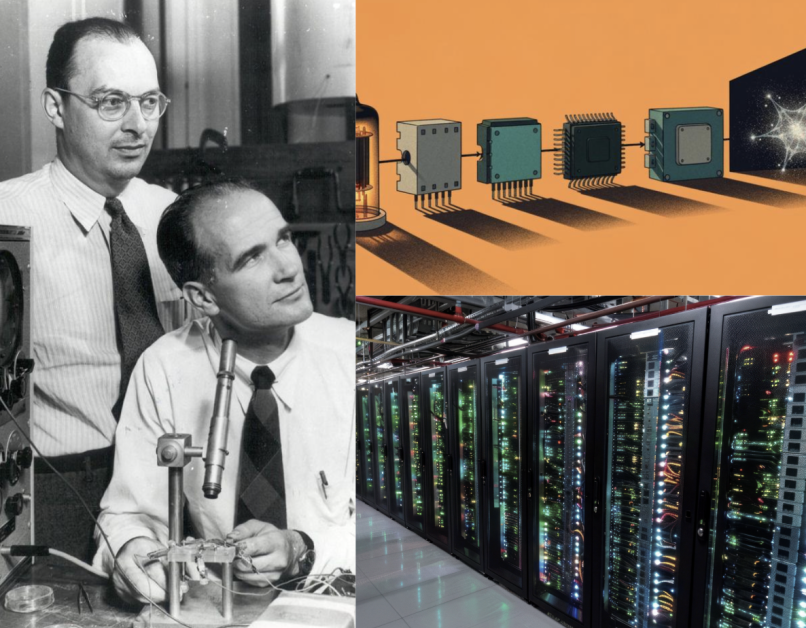
Evolution of Semiconductors: From Vacuum Tubes to AI Chips | Market Growth & Future