Fervo Energy Raises US$462 Million, Lands Google as Investor — A Major Leap for Geothermal Power
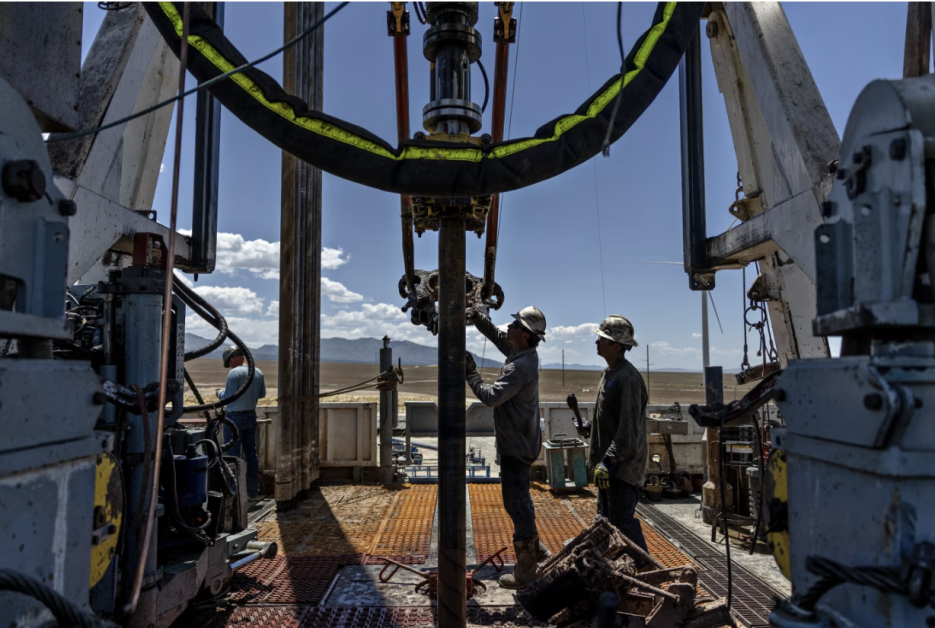
Fervo Energy — a pioneering developer in enhanced geothermal systems (EGS) — has raised US$462 million in its most recent financing round, with Google among the new investors.
The round was led by B Capital, with participation from a broad group including Breakthrough Energy Ventures (the investment arm associated with Bill Gates), along with AllianceBernstein, Devon Energy, Capricorn Investment Group, and others.
This influx of capital will support the advancement of Fervo’s flagship project — Cape Station in Utah — and the initiation of several additional geothermal power plants.
Why It Matters: Geothermal Energy’s Moment
1. 24/7 Clean Power & Reliability: Unlike intermittent renewables (solar/wind), geothermal provides continuous baseload power — crucial for high-demand sectors like data centers, AI, industrial applications. Fervo aims to deliver such reliable, carbon-free energy at scale.
2. Scaling Geothermal via EGS: Fervo’s technology is based on enhanced geothermal systems — using deep wells and subsurface engineering (adapting drill & fracking know-how from oil & gas) to access hot rock that isn’t naturally a hydrothermal reservoir.
3. Biggest-Ever Geothermal Bet: The funding — $462 M — is among the largest ever in the geothermal startup sector, signaling strong investor confidence in geothermal as a viable, mainstream clean-energy source. The involvement of Google adds strategic weight, suggesting major corporate demand for clean, reliable electricity.
4. Momentum for Clean Energy Transition: For the climate and energy sector, this marks a shift: geothermal, long overshadowed by solar and wind, is now attracting serious investment — potentially transforming how grids are powered globally, especially as demand surges from AI, cloud, data centers.
What’s Next for Cape Station & Fervo’s Plans
a. Cape Station Timeline: According to company leadership, the first phase of Cape Station is planned to come online in 2026. The project — once complete — aims to produce hundreds of megawatts of carbon-free electricity.
b. Scaling Beyond Cape Station: The new funding is not just for Cape Station. Fervo intends to develop several additional geothermal plants, leveraging its growing technology stack and expanding resource base.
c. Addressing Cost & Speed Challenges: Fervo has emphasized drilling efficiency and cost reduction. For example, leveraging oil and gas-industry drilling methods to reduce well-drilling times and lower per-well costs, making geothermal more competitive.
d. Corporate & Utility Demand Growing: With Google’s backing and a proven track record, demand — from data centers to utilities seeking stable clean power — could accelerate rapidly. This could push geothermal into mainstream adoption.
Challenges & What to Watch
Even with big funding and ambition, geothermal — especially EGS — faces some hurdles:
1. Geological Risks: Success depends on accessing sufficiently hot rock, and drilling deep wells safely and efficiently. Not all regions worldwide will be suitable.
2. Capital Intensity: Building large geothermal plants requires significant upfront investment (drilling, subsurface work, permitting). Early-stage risk remains high compared to, say, solar PV installations.
3. Regulation & Infrastructure: Regulatory frameworks, environmental reviews, water use, and grid interconnection all need supportive policies. Additionally, scaling beyond US Western-region geology could involve added complexity.
4. Public/Environmental Concerns: EGS involves fracturing rock and injecting fluids underground — concerns around induced seismicity, subsurface impact, water usage, etc. While not unique to Fervo, these issues can raise local opposition or regulatory scrutiny.
Bigger Implications: What Fervo + Google Means for the Energy Landscape
The success of this $462M round — especially with a tech giant like Google onboard — could mark the beginning of a paradigm shift in clean energy:
a. Geothermal may emerge as a pillar of 24/7 clean energy — complementing solar and wind, filling in their intermittency.
b. Corporates with heavy energy needs (data centers, AI infrastructure, cloud services) may increasingly turn to geothermal for stable green power — potentially spawning a wave of demand and new projects globally.
c. Investors may recalibrate: Instead of focusing only on “traditional” renewables (solar, wind), the energy-investment community may start channeling more capital into geothermal and other “firm clean energy” technologies (geothermal, nuclear, hydro, storage).
d. For the broader climate and energy transition agenda, this can accelerate decarbonization by providing dependable clean baseload power — crucial in a future with high electrification, AI growth, and digital infrastructure expansion.
Conclusion
The $462 million funding round for Fervo Energy — with Google as a high-profile investor — is more than just a capital injection. It represents a major vote of confidence in geothermal energy and signals that geothermal may finally be stepping out of the “niche” category into the mainstream of clean energy infrastructure.
If Fervo succeeds in scaling projects like Cape Station and developing new ones globally, we may be witnessing the early stages of a geothermal renaissance — a future where round-the-clock, carbon-free, and reliable energy becomes a reality, not just an aspiration.
You may Also Like

SBI Funds Management IPO 2026: Price Band, GMP, Dates, Issue Size & Should You Apply?

Trump’s America by the Numbers: Economy, Crime, Inflation & the Social Media Presidency