Trump’s America by the Numbers: Economy, Crime, Inflation & the Social Media Presidency
A speech clip can travel further than an employment report. A controversy can dominate longer than a GDP release.
A social media argument can become the political story of the week.
Donald Trump’s presidency became the clearest example of this transformation.
To supporters, Trump represented a return to economic confidence, stronger borders, deregulation, and a challenge to Washington’s traditional system.
To critics, his presidency represented controversy, political disruption, and concerns over institutions and leadership style.
The question behind the noise:
Were Americans watching the country’s performance — or the controversy surrounding the performer?
Jobs: The Economic Story Before Trump, During Trump, and After Trump
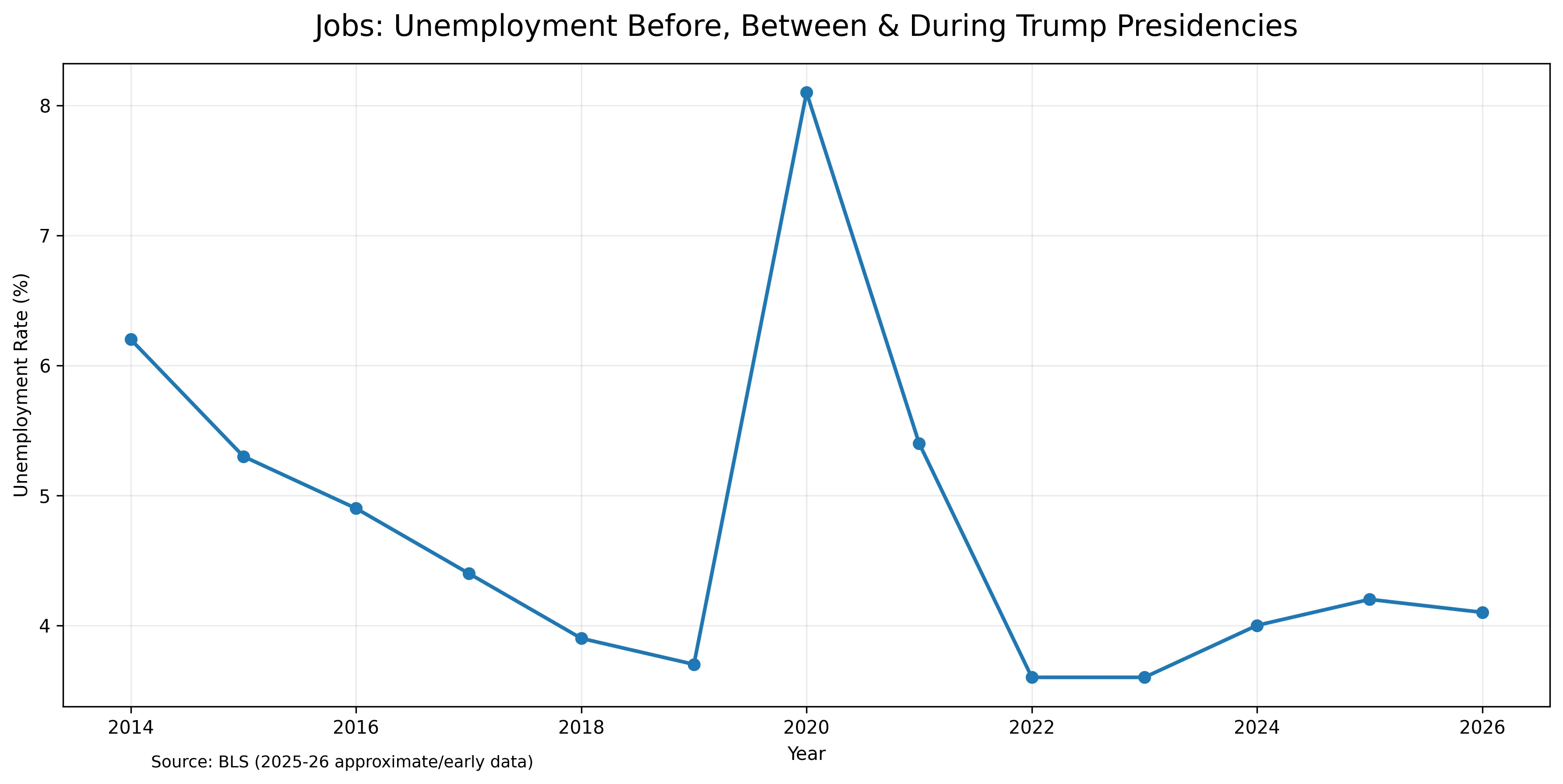
The employment story is more complicated than political slogans suggest.
When Trump entered office in 2017, he inherited an economy already recovering from the Great Recession.
However, during his first term before COVID, the labor market continued strengthening.
Unemployment fell to levels America had not seen in decades.

The Trump administration credited:
Lower corporate taxes
Reduced regulations
Business confidence
Domestic investment incentives
Critics argued:
The trend began before Trump
Wage inequality remained
Manufacturing gains were smaller than promised
Then came COVID.
The pandemic created an economic collapse unrelated to normal presidential cycles.
The unemployment spike of 2020 became one of the largest economic shocks in modern history.
2. Inflation and the Economic “Munch”: What Families Actually Feel
Politicians talk about GDP.
Families talk about prices.
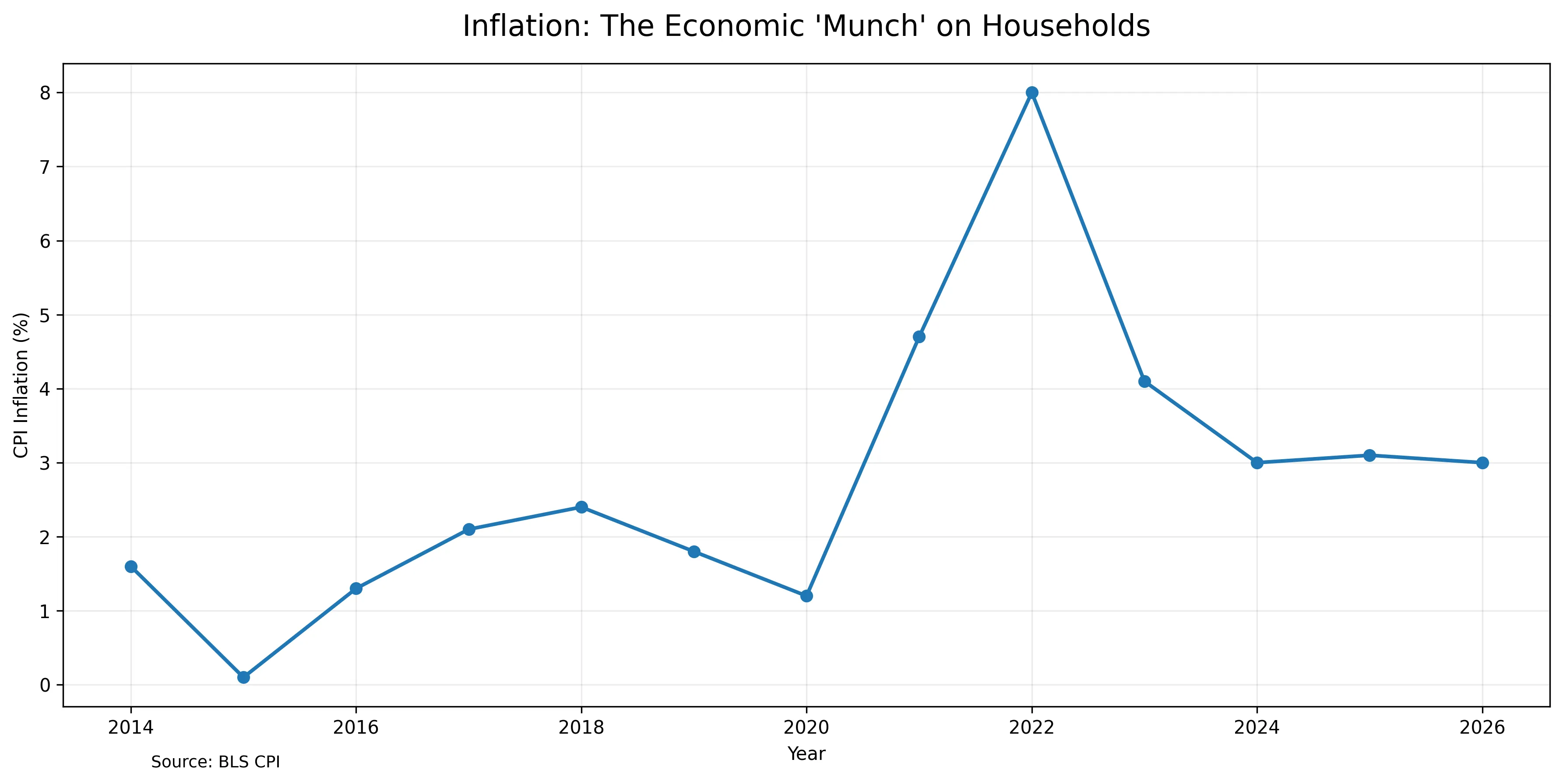
This is the economic “munch” — the amount everyday costs bite into household income.
During Trump’s first term:
Inflation remained historically low
Energy prices were relatively stable
Consumer spending stayed strong
After COVID, inflation became America’s dominant economic issue.
Prices rose because of multiple factors:
Global supply chain disruptions
Pandemic stimulus
Energy market changes
Labor shortages
Corporate pricing pressures
The political battle became simple:
One side blamed government spending.
The other blamed global conditions.
The reality involved both.
Wall Street Confidence: The Stock Market Across Political Eras
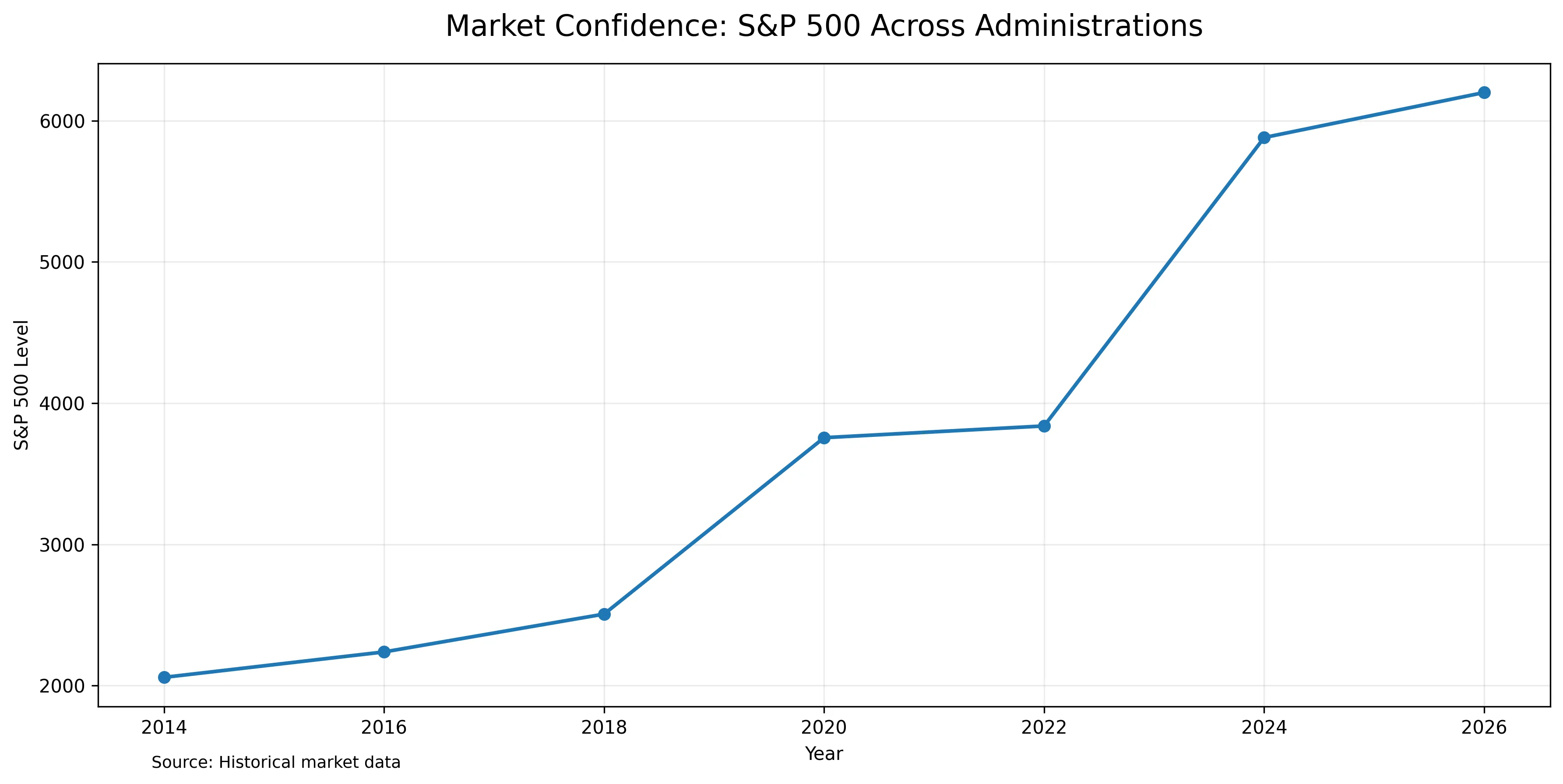
The stock market became one of Trump’s favorite economic indicators.
During his first presidency:
Corporate earnings increased
Investors welcomed tax reductions
Deregulation boosted market optimism
However, markets also benefited from:
Low interest rates
Federal Reserve policies
Technology growth
The AI boom after 2022 added another major force beyond politics.
Markets tell part of the economic story.
They do not tell the whole story.
Debt: The Hidden Cost Behind Economic Growth
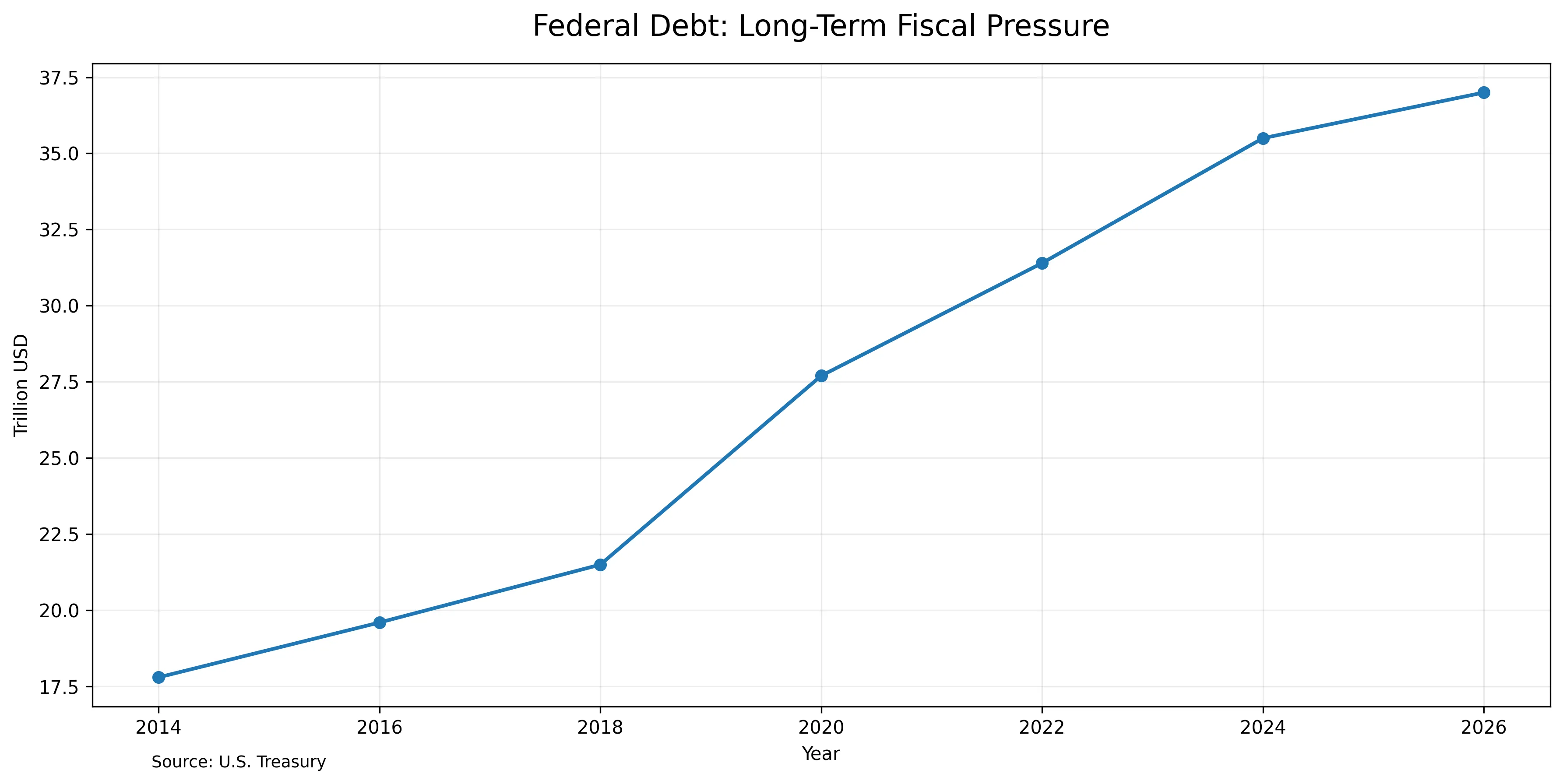
One of the biggest criticisms of Trump’s economic approach involved federal debt.
The United States already carried major debt before 2017.

But borrowing increased because of:
Tax cuts
Government spending
COVID relief programs
Supporters argued economic expansion justified aggressive policies.
Critics argued America was growing while putting more costs into the future.
Debt became the quiet issue beneath a loud political era.
Read Also: Start a Small Business in NYC or San Francisco With $10,000 in 2026: Step-by-Step Guide
Crime: Statistics vs Public Perception
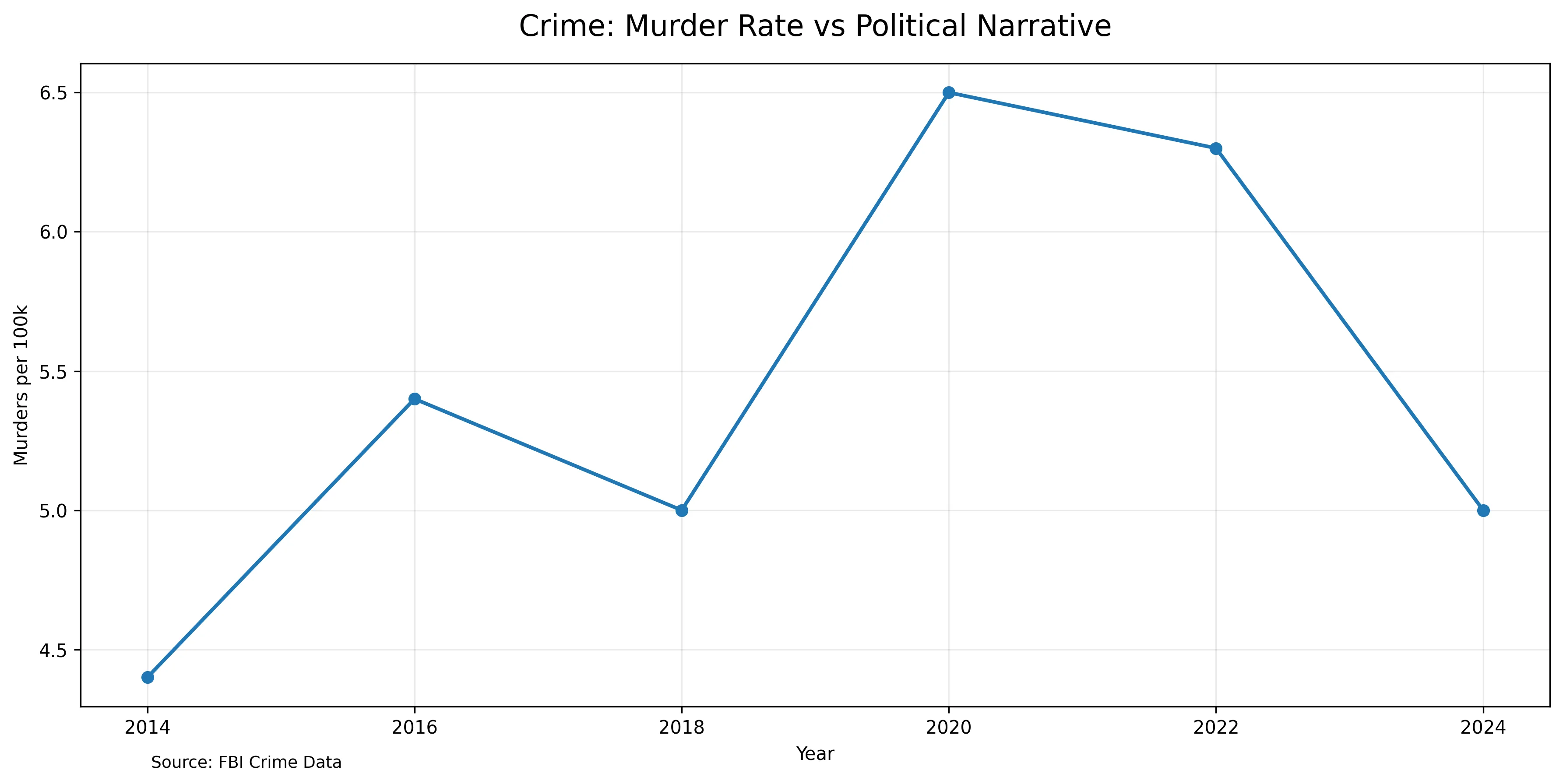
Crime became one of the defining political messages of the Trump era.
Trump emphasized:
Law and order
Stronger policing
Border enforcement
Before COVID, violent crime trends were relatively stable.
During 2020:
Crime increased sharply.
Possible causes included:
Pandemic disruption
Economic pressure
Social unrest
Changes in policing behavior
Later, violent crime declined from pandemic highs.
But public fear often moved differently than statistics.
The perception of safety became almost as politically powerful as crime numbers themselves.
Economic Growth: The Bigger Picture Beyond Presidents
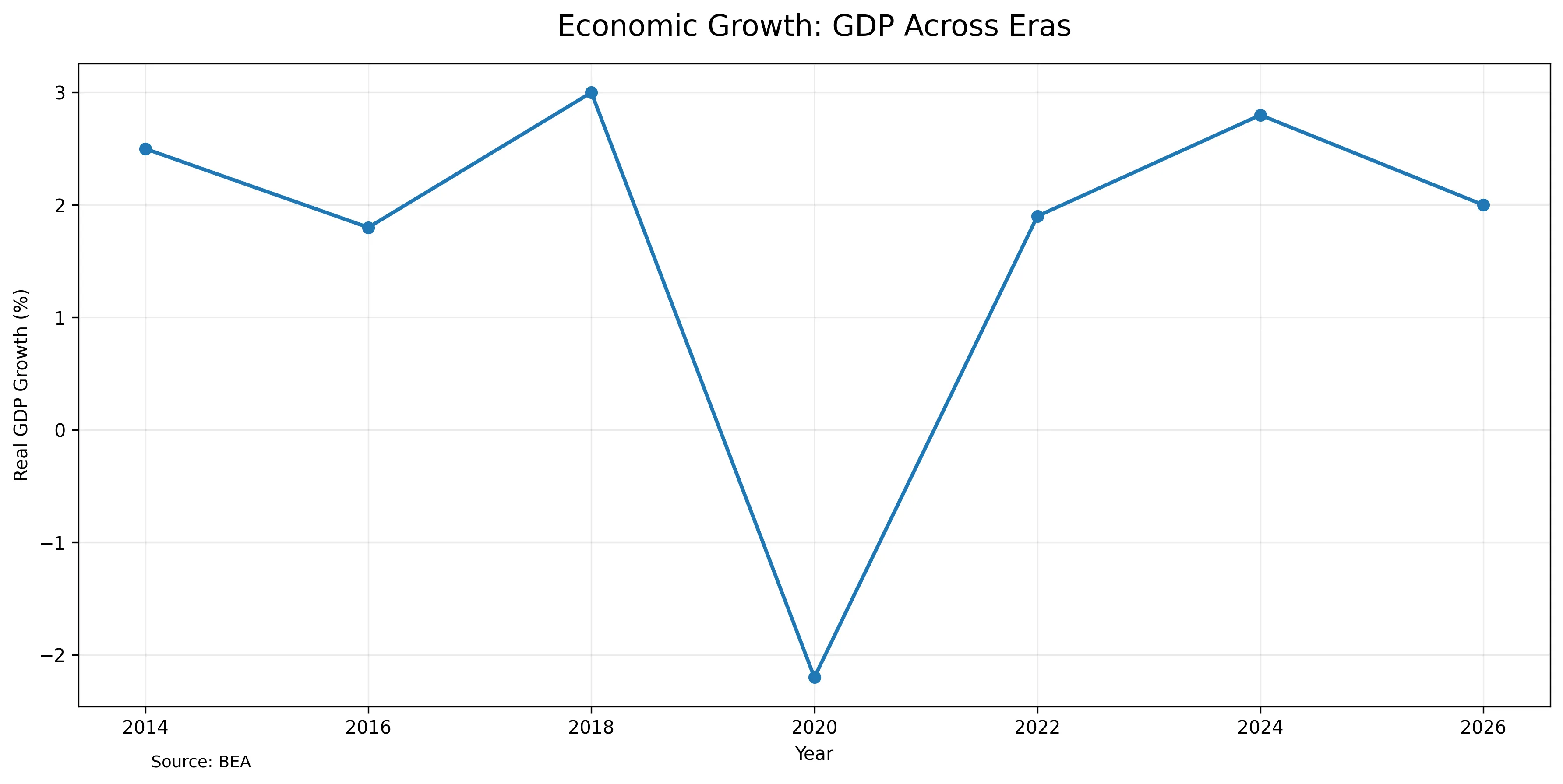
Presidents receive credit when economies rise.
They receive blame when economies fall.
But economies are influenced by:
Global events
Interest rates
Technology
Consumer behavior
Corporate investment
Trump’s first term showed solid growth before COVID.
The Biden years showed recovery mixed with inflation.
Trump’s second presidency entered a different environment:
A post-pandemic economy where stability, affordability, and debt became larger concerns.
The Social Media Presidency: When Controversy Became the Product
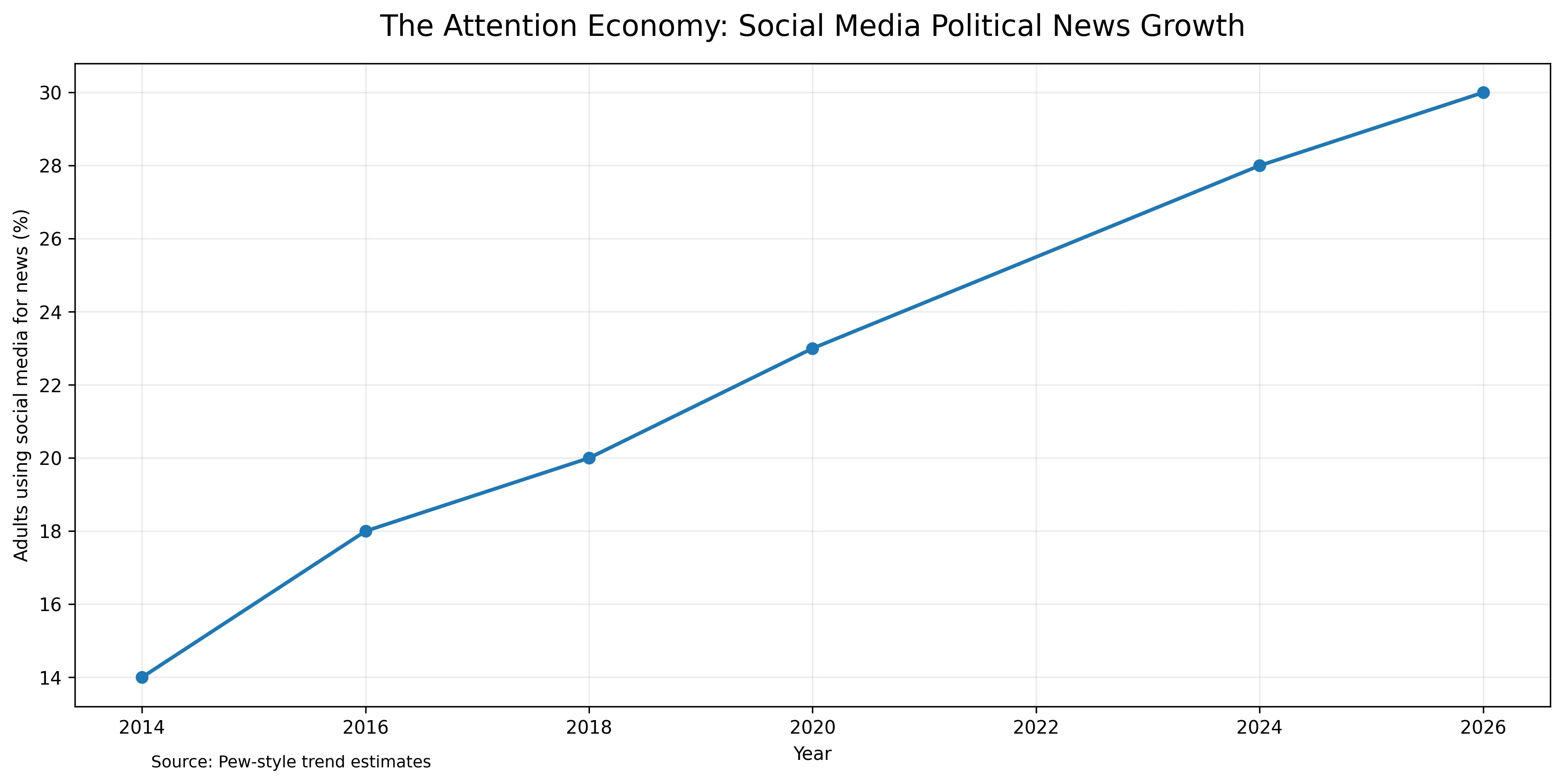
Trump was the first president fully operating inside the algorithm era.
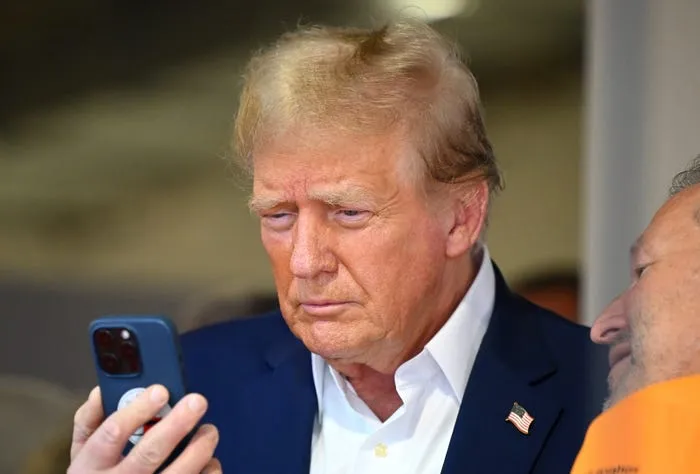
The political battlefield moved from newspapers and television into:
Twitter/X
Facebook
YouTube
TikTok
Social platforms reward engagement.
Engagement often comes from emotion.
The result:
Controversies traveled faster than policy.
A viral statement could overpower:
Employment numbers
Trade agreements
Economic reports
Micro Controversies vs Macro Results
The Trump era introduced a new political conflict:
Micro moments versus macro outcomes.
A single quote could dominate headlines.
A social media argument could consume days.
Supporters argued:
The public focused too heavily on controversy and ignored economic performance.
Critics argued:
Leadership style, communication, and institutions are also part of presidential performance.
Both arguments shaped public opinion.
FAQs
Was Trump’s economy stronger than previous administrations?
Trump’s first term had strong employment, markets, and low inflation before COVID. However, some trends began before he entered office.
Did Trump cause the strong stock market?
Policies helped investor confidence, but technology growth and Federal Reserve policy also played major roles.
Was inflation lower under Trump?
During his first presidency, yes. Inflation was significantly lower than the post-pandemic spike.
Did Trump reduce crime?
Crime trends were stable before COVID. The pandemic created a major disruption, followed by later declines.
Did media controversies affect public opinion?
Yes. Social media changed how political information spread, often giving emotional stories more attention than policy analysis.
Conclusion: The Trump Era Was a Battle Between the Balance Sheet and the News Feed
Trump’s presidency may ultimately be studied through two competing lenses.
Economic indicators, employment, markets, inflation, and national stability.
Controversy, communication style, political conflict, and media attention.
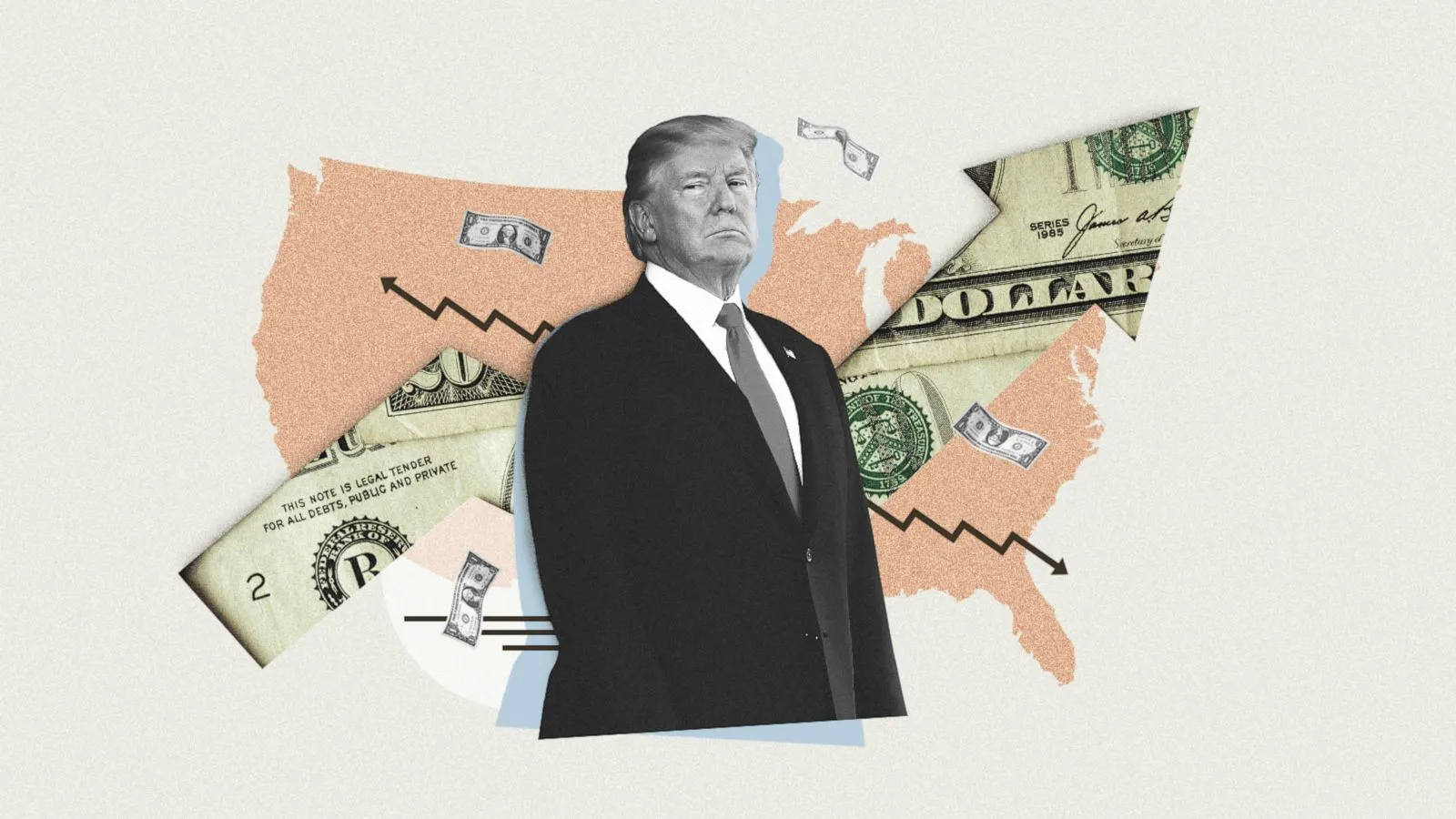
Supporters focused on measurable results.
Critics focused on the broader effects of leadership style.
The defining feature of the era was not only what happened.
It was how Americans experienced what happened.
The Trump presidency became the moment where the economy and the attention economy collided.
And history will continue debating which one mattered more.
By Tommy Thounaojam- Editor Micromunch
You may Also Like

How Emma Chamberlain Built Chamberlain Coffee Into a $30 Million Creator-Led Brand

Iran-US De-escalation: What It Means for Dubai Businesses, Indian Companies, Real Estate and Travel Recovery in 2026