How Emma Chamberlain Built Chamberlain Coffee Into a $30 Million Creator-Led Brand

The Creator Economy’s Coffee Case Study: Inside the Rise of Chamberlain Coffee
Long before Emma Chamberlain entered the consumer goods industry, millions of people already associated her with one product: coffee.
The connection did not come from a marketing campaign, a brand partnership, or a carefully designed business strategy.
It came from years of watching her daily life online.
Chamberlain, who began creating YouTube content as a teenager in 2016, quickly became one of the platform’s most influential personalities. Her casual editing style, self-aware humor, and unfiltered approach separated her from the highly polished influencer culture dominating social media at the time.
Her videos captured ordinary moments — driving around, talking to the camera, running errands, and frequently stopping for coffee.
Over time, coffee became more than a beverage in her videos.
It became part of the Emma Chamberlain brand.
How Authenticity Became Emma Chamberlain’s Competitive Advantage
In an industry where many celebrity products are launched first and narratives are created afterward, Chamberlain Coffee followed a different path.
The audience came before the product.

For several years, Chamberlain’s followers watched coffee naturally become part of her online identity. It was not positioned as advertising. There was no immediate attempt to monetize the association.
That patience became one of the company’s strongest advantages.
When Chamberlain eventually launched Chamberlain Coffee in 2019, the move felt like a natural extension rather than a celebrity endorsement deal.
Consumers were not being introduced to a new version of Emma Chamberlain.
They were buying into the version they already knew.
The Launch of Chamberlain Coffee: Turning Influence Into Ownership
From Content Creator to Consumer Founder
The launch of Chamberlain Coffee represented a larger shift happening across the creator economy.
For years, influencers primarily generated revenue through advertising, sponsorships, and brand partnerships.

But a new generation of creators began asking a different question:
Why promote someone else’s company when you can build your own?
Chamberlain Coffee started as a direct-to-consumer business, selling coffee products online to an audience already familiar with the founder.
The company introduced products including packaged coffee, cold brew options, accessories, and lifestyle-focused merchandise.
The early growth was powered by something traditional consumer companies spend millions trying to create:
Customer trust.
Why Chamberlain Coffee Avoided the Celebrity Brand Trap
Founder-Market Fit Became the Business Strategy
The consumer industry has seen countless celebrity-backed brands enter the market.
Some become global businesses.

Many disappear.
The difference often comes down to whether consumers believe the founder has a genuine connection to the category.
For Chamberlain, coffee was not a sudden business opportunity.
It was part of years of content history.
That gave the company what investors often describe as founder-market fit.
The product matched the person behind it.
Online Influence Created Demand — But Retail Created Scale
The Challenge of Moving Beyond a Fanbase
Despite having millions of followers, Chamberlain Coffee faced the same challenge as many creator-led companies.
An audience is not automatically a scalable business.
Social media can generate awareness, but consumer behavior still determines growth.
Coffee remains a daily purchase category dominated by supermarkets, grocery chains, and traditional retail channels.
Consumers often buy coffee during routine shopping trips rather than through online discovery.
For Chamberlain Coffee to become a mainstream beverage company, it needed to expand beyond digital sales.
Chamberlain Coffee’s Retail Expansion Strategy
How the Brand Moved From YouTube Fans to Everyday Consumers
The company’s expansion into retail marked a turning point.

By entering grocery stores and major retail locations, Chamberlain Coffee moved from being an internet brand supported by fans into a consumer packaged goods competitor.
The strategy followed a familiar pattern used by successful modern consumer startups:
Use digital influence to create demand.
Use retail distribution to create scale.
The brand eventually expanded into thousands of stores, increasing visibility beyond Chamberlain’s original online audience.
Winning Gen Z: Why Chamberlain Coffee Connected With Younger Consumers
A New Approach to Building Consumer Brands
Chamberlain Coffee’s growth also reflects a broader change in how younger generations discover products.
Traditional coffee companies often built recognition through decades of advertising.
Creator-led brands build recognition through relationships.
Chamberlain spent years creating daily connections with viewers before launching a product.
For Gen Z consumers, that relationship mattered.
They were not only purchasing coffee.
They were supporting a brand connected to a creator whose personality, humor, and lifestyle they understood.
Expanding the Audience Through Strategic Partnerships
Moving Beyond the Original Creator Community
As the company matured, Chamberlain Coffee began exploring collaborations that expanded its cultural reach.
One notable partnership connected Chamberlain Coffee with Kendall Jenner’s 818 Tequila, bringing together two high-profile founder-led brands.

The collaboration represented a larger trend in consumer marketing:
Modern brands increasingly grow through cultural relevance, communities, and founder influence — not only traditional advertising.
For Chamberlain Coffee, partnerships helped introduce the company to audiences beyond its original YouTube following.
Chamberlain Coffee Revenue Growth and Business Evolution
From Internet Personality to Consumer Brand Founder
Chamberlain Coffee’s evolution highlights the changing economics of online influence.
The company has reportedly reached approximately $30 million in annual revenue and expanded into more than 10,000 retail locations.
The growth demonstrates how creators with strong audience relationships can compete in traditional industries previously dominated by established corporations.
But the key difference is that Chamberlain did not simply attach her name to a product.
She built around an existing consumer association.
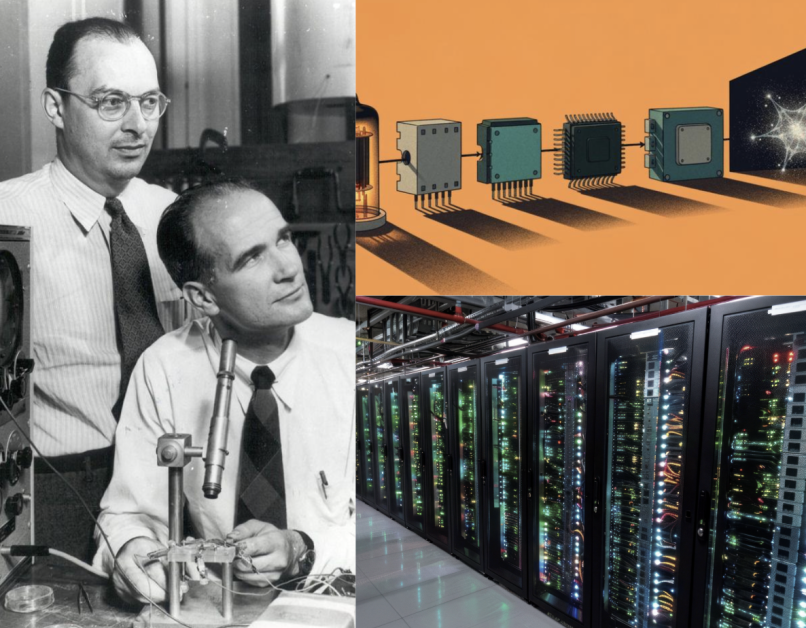
Also Read: Evolution of Semiconductors: From Vacuum Tubes to AI Chips | Market Growth & Future
The Bigger Business Lesson Behind Emma Chamberlain’s Success
The Future of Celebrity and Creator-Owned Brands
The success of Chamberlain Coffee represents a shift in how modern companies are created.
The old celebrity model was:
Become famous.
Launch a product.
Convince people to care.
The new creator economy model is different:
Build trust.
Understand the audience.
Create something that already fits.
Emma Chamberlain spent years unintentionally building demand before selling anything.
By the time Chamberlain Coffee arrived, consumers already understood the story.
The product was new.
The relationship was not.
That may be the biggest advantage creator-led companies have in the next generation of consumer brands.
By Tommy Thounaojam- Editor MicroMunch
You may Also Like

Why Human Skills Remain the Ultimate Career Advantage
Why BYD Means Build Your Dreams: The Billion-Dollar Business Behind the World's Smartest Brand Names