How to Build Credit with a Secured Credit Card: A Beginner's Step-by-Step Guide to Building a Strong Credit Score
If you've read our credit card series, we've already explored some of the best secured credit cards for beginners and how they can be an excellent starting point for anyone new to credit or looking to rebuild their financial history. But choosing the right secured credit card is only the first step. The real task is ahead, and a question promptly creeps up: How do you actually build a good credit score with it?
Many first-time cardholders simply believe that owning a secured credit card will automatically improve their credit. Well, the news is that's not how it works. Let me break it like this: think of your credit score like your reputation. You don't build a great reputation overnight; you build it through consistency, responsibility, and smart financial habits. Every purchase you make, every payment you submit, and every financial decision contributes to your credit profile.
The up to this is that building excellent credit isn't as complicated as it sounds. With a little patience and the right habits, a secured credit card can become one of the most powerful financial tools you'll ever own. Let's break it down step by step.
What Is Credit Against a Secured Credit Card?
Before diving into credit-building strategies, it's important to understand what makes a secured credit card different. A secured credit card for beginners or anyone who applies requires a refundable security deposit when one opens the account. This deposit typically becomes your credit limit.
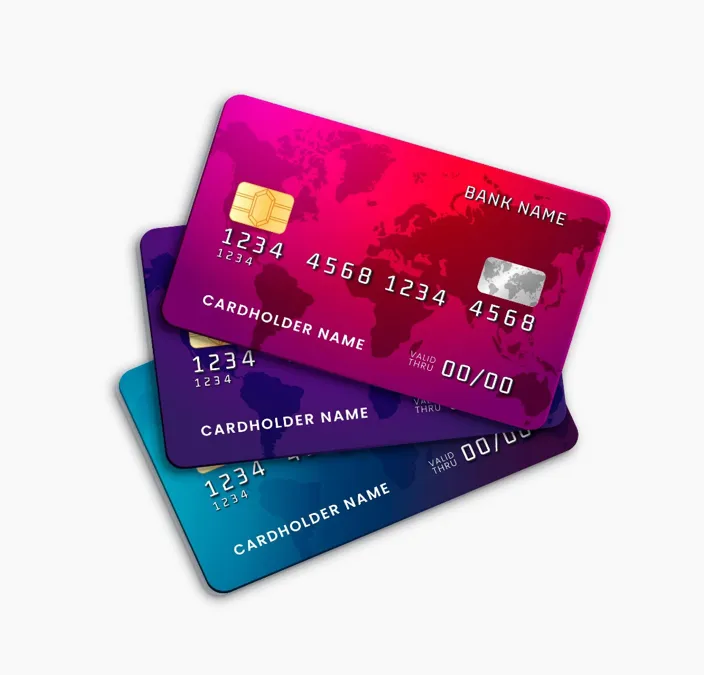
- For example: Security Deposit: $300, which means Credit Limit: $300
- This is not like a debit card; you're not spending your own money directly. Instead, you're borrowing from the credit issuer, who uses your deposit as security in case payments are missed.
- So generally, the credit limit is equivalent to your security deposit available in your account, even in the best beginner secured credit cards.
- Most major secured credit cards report your payment activity to the three major credit bureaus, helping establish or rebuild your credit history when used responsibly.
How Does a Credit Score Actually Work?
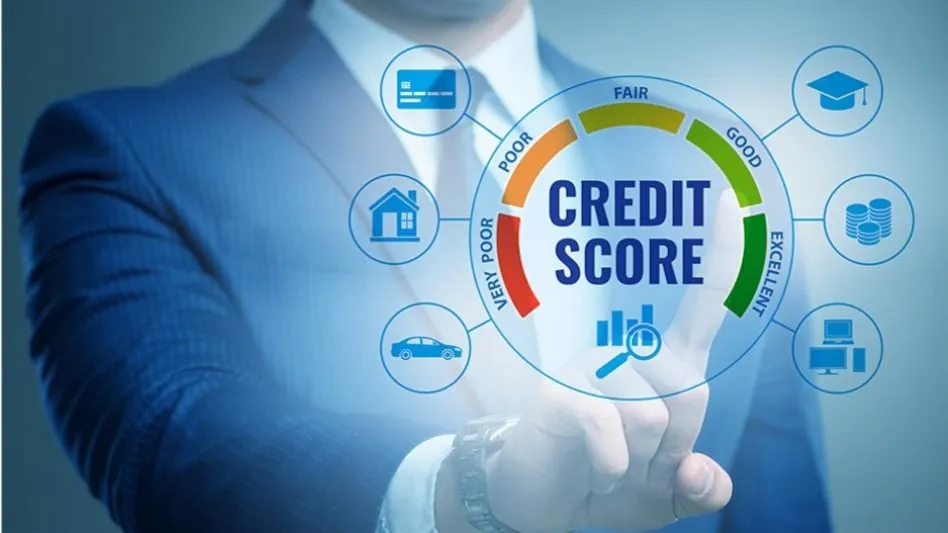
Many people focus only on paying their bills on time, but we need to understand that the credit score is influenced by several factors. Lenders need to consider:
- Payment history: Have you paid your bills on time?
- Credit utilization: How much of your available credit are you using?
- Length of credit history: How long have your accounts been open?
- Credit mix: Do you manage different types of credit responsibly?
- New credit inquiries: Have you recently applied for multiple credit accounts?
While you can't control every factor immediately, you can influence the two most important ones from day one: paying on time and keeping your balances low.
How To Build Credit with a Secured Credit Card For A Beginner? Step-by-Step Guide
Step 1: Choose the Right Secured Credit Card
Not every secured credit card for beginners is equally helpful for building credit. Look for features that make it easier to establish healthy financial habits, such as:
- Reports to all major credit bureaus.
- Has low or no annual fees.
- Offers the possibility of upgrading to an unsecured card.
- Provides online account management and payment reminders.
Step 2: Use Your Card, Don't Overspend
- One of the biggest misconceptions is that using your entire credit limit will improve your score. In reality, the opposite is often true.
- Imagine your card has a $500 limit. Instead of spending all $500 each month, aim to use only about $50–$150 before paying it off.
- This demonstrates that you can borrow responsibly without relying heavily on credit.
- Think of your secured card as a tool, not extra income.
Step 3: Always Pay on Time
Making payment on time is one habit that matters more than any other. Late payments can stay on your credit report for years and may significantly affect your score. A simple way to avoid this is by:
- Setting up automatic payments.
- Adding reminders to your phone.
- Paying several days before the due date.
- Even if you can only make the minimum payment, paying on time is far better than missing the deadline.
Step 4: Maintain Optimal Credit Utilization Ratio
Credit utilization refers to the percentage of your available credit that you're using. Here's an example:
Credit Limit | Balance | Utilization |
$500 | $50 | 10% |
$500 | $100 | 20% |
$500 | $250 | 50% |
$500 | $450 | 90% |
- Financial experts generally recommend keeping your utilization below 30%, with even lower percentages often viewed more favorably.
- If you make several purchases during the month, consider paying part of the balance before your statement closes.
- If you are new to this, use a credit card utilization ratio calculator to keep track of your spending against the available limit.
Step 5: Use It for Everyday Expenses
- A secured credit card doesn't need to fund major purchases.
- Instead, use it for predictable monthly expenses such as groceries, fuel, coffee, streaming subscriptions, mobile phone bills, or public transportation.
- This builds a consistent payment history without accumulating unnecessary debt; hence, charging regular expenses and paying them off promptly is a good idea.
Step 6: Review Your Statements Every Month
Developing the habit of checking your monthly statement helps you to strengthen your overall financial awareness:
- Always track spending.
- Spot unauthorized transactions.
- Confirm payments have posted correctly.
- Stay within your budget.
Step 7: Be Patient
- Building credit takes time, be it a secured credit card for beginners or any normal credit card, and many make this mistake by expecting dramatic results after only a few weeks.
- Consistent, responsible use over several months is generally more valuable than trying to speed up the process through frequent applications or unnecessary spending.
- Think of it like planting a tree: you water it regularly, you care for it consistently, and it grows eventually into something strong and reliable.
- Your credit history works much the same way; it builds over time.
What Are The Mistakes to Avoid While Building a Credit Score
Even responsible people can make avoidable mistakes. This will help you build a reliable credit score and secure higher finance in an emergency for the future. Watch out for these common pitfalls:
- Maxing Out Your Credit Limit: Using nearly all of your available credit can make lenders think you're overly dependent on borrowing.
- Missing Payments: One missed payment can have lasting consequences. Always prioritize paying at least the minimum amount by the due date. Even though you have secured a credit card that has guaranteed money as backup, ensure you pay on time.
- Applying for Multiple Credit Cards Too Soon: Each application may result in a credit inquiry. Opening several accounts within a short period can temporarily affect your credit profile. Instead, try increasing the limit over time and confirm your credit limit increase timeline and plan accordingly.
- Closing Your Card Too Early: The age of your credit accounts contributes to your overall credit history. If possible, keep your oldest account open, especially after it graduates to an unsecured card. One can gradually build a reliable credit score on the oldest account and receive a higher credit limit on the same.
When Can You Upgrade to an Unsecured Card?
Many secured credit cards periodically review your account. If you've demonstrated responsible use through on-time payments and careful spending, the issuer may offer:
- A higher credit limit.
- A refund of your security deposit.
- An upgrade to a traditional unsecured credit card.
- This transition is often one of the first major milestones in a person's credit journey.
Smart credit starts with smart planning to build a strong credit score. Calculate your monthly EMIs to estimate your monthly repayments and borrow within your budget.
Frequently Asked Questions:
1. What is a credit score?
Ans) A credit score is a three-digit number, typically ranging from 300 to 900 in India, that reflects your creditworthiness based on your borrowing and repayment history. Lenders use it to assess the risk of approving loans or credit cards. A higher score indicates responsible credit behavior and improves your chances of obtaining better interest rates and higher credit limits.
2. How to check your CIBIL Score online?
Ans) You can check your CIBIL Score online by visiting the official CIBIL website or using authorized banking and financial platforms that offer free score checks. Register with your personal details, verify your identity using an OTP, and access your latest credit report. Reviewing your score regularly helps identify errors and monitor your overall financial health.
3. What credit score is needed for a secured credit card for a beginner?
Ans) Most secured credit cards are designed for beginners and individuals with limited or poor credit history, so a high CIBIL Score is usually not required. Many banks approve applications based on a fixed deposit rather than your credit score. However, having a score above 650–700 may improve eligibility and access to better card features.
4. Does a secured credit card increase the CIBIL score?
Ans) Yes, a secured credit card can help improve your CIBIL Score if used responsibly. Paying bills on time, keeping your credit utilization low, and avoiding missed payments demonstrate good credit behavior. Over time, these positive habits are reported to credit bureaus, helping build a stronger credit history and improving your overall score.
5. What is the biggest killer for a credit score?
Ans) The biggest factors that damage a credit score are missed or late payments, loan defaults, high credit utilization, frequent loan or credit card applications, and settling debts instead of repaying them in full. Maintaining timely payments, limiting credit usage, and borrowing responsibly are the best ways to protect and improve your credit score over time.
Final Thoughts: Small Habits Lead to Big Financial Success
A credit card may seem like a small financial tool, but owning a secured credit card can have a lasting impact when used wisely. Building good credit isn't about making large purchases or chasing high credit limits. It's about consistency, patience, and responsible financial behavior.
The key is understanding and planning to start with manageable spending, pay your balance on time, keep an optimal credit utilization ratio, and review your account regularly. Over time, these simple habits can help you establish a strong credit history and unlock greater financial opportunities.
Every excellent credit score starts somewhere. Your secured credit card isn't just a piece of plastic; it's the first chapter in building a solid financial future. Treat it with care, and it can open doors that extend far beyond your wallet.
To know more such financial tools, understand managing business and finance, and know more about global economic updates, follow Micromunch.
By P. Manika (Performist Content Writer)
You may Also Like

Emergent AI Becomes Unicorn: $130M Funding, $1.5B Valuation
Secured Credit Cards for Beginners: What Every First-Time User Needs to Know