India Student Protests 2026 Explained: Politics, Economy & Education Analysis
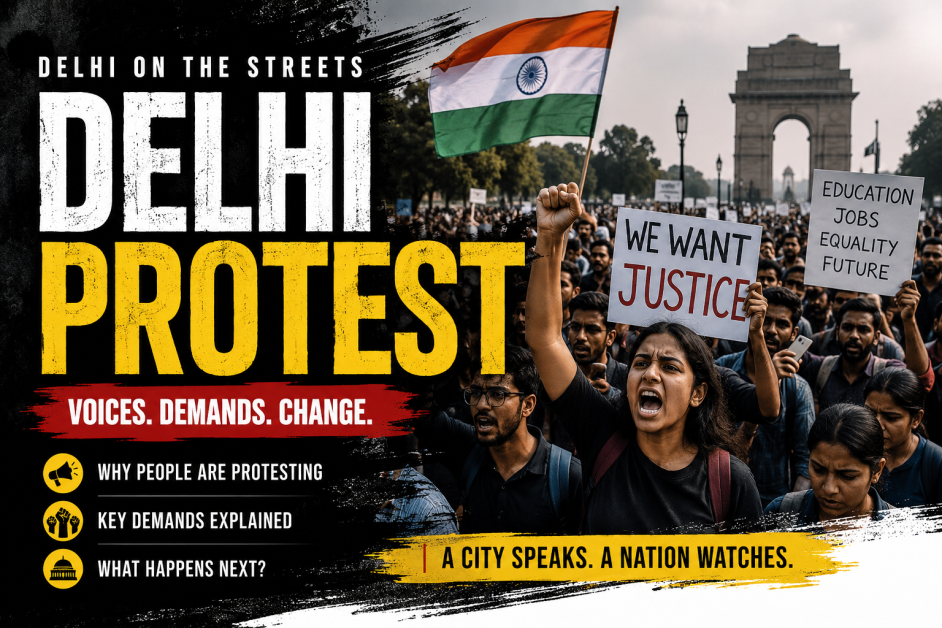
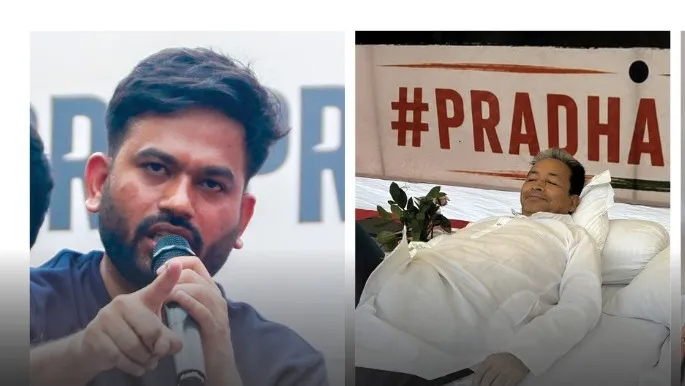
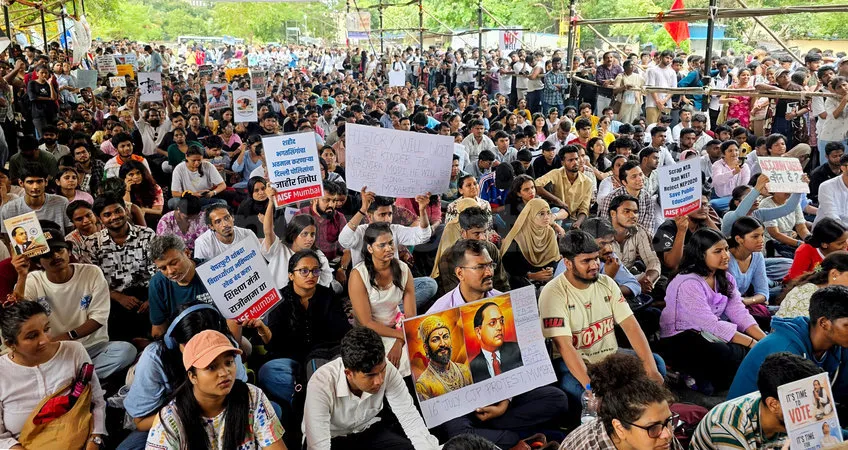
India is witnessing one of its most significant student-led movements in recent years. What began as outrage over alleged examination irregularities has evolved into a broader national conversation about accountability, employment, governance, and the future of India's education system.
The protests, initially centered around concerns over the integrity of national entrance examinations, have spread across multiple cities and universities, drawing attention from political parties, policymakers, education experts, and economists. While comparisons with the youth-led uprisings in Bangladesh and Nepal have become increasingly common, India's political institutions, federal structure, and economic resilience present a very different landscape.
The central question is no longer whether students are protesting—it is whether this movement will remain focused on education reform or evolve into a larger challenge for India's political establishment.
What Started the India Student Protests?
The immediate trigger was allegations surrounding irregularities in national competitive examinations, particularly concerns over paper leaks and examination management. Millions of students who had invested years preparing for these highly competitive tests questioned whether the system remained fair and transparent.
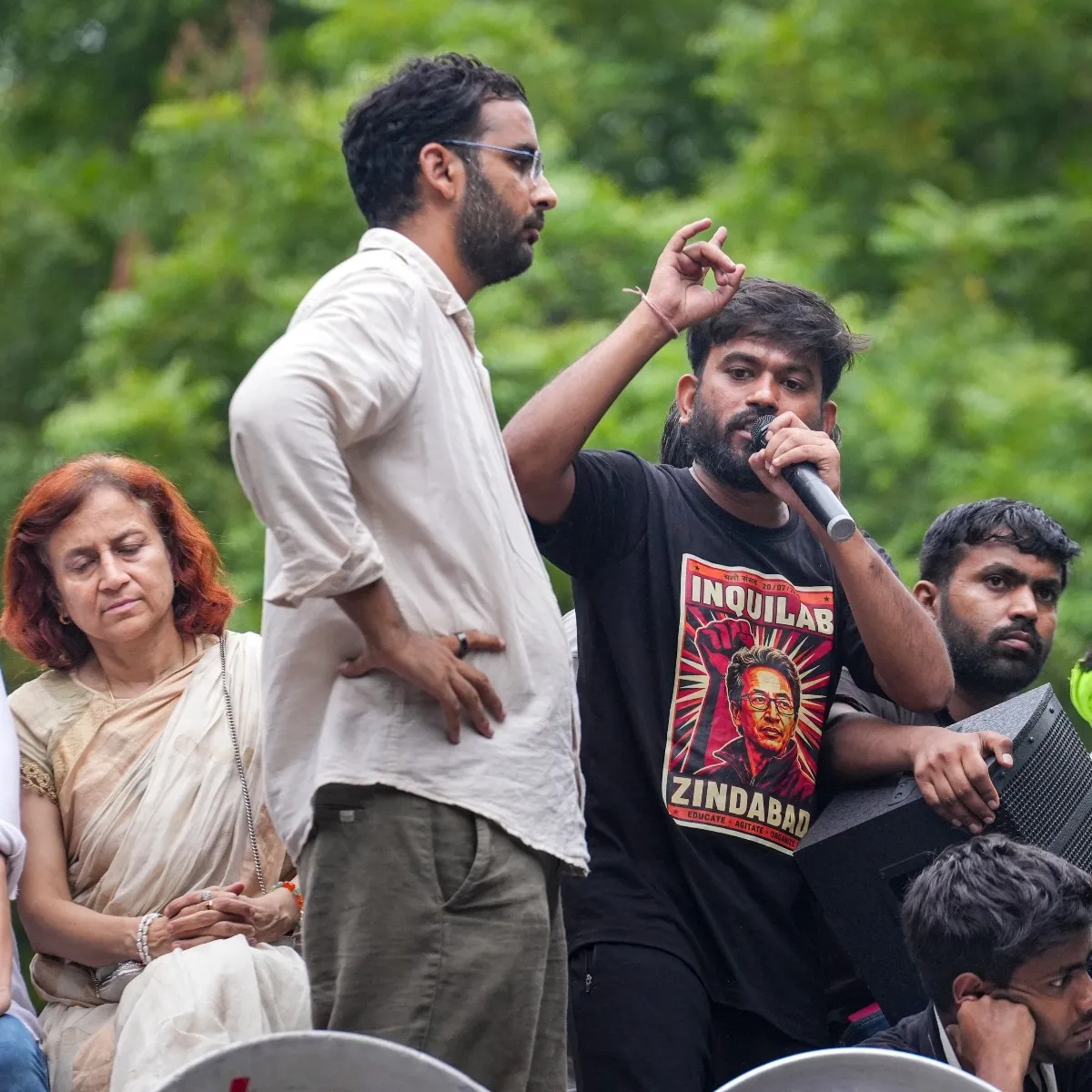
As demonstrations gained momentum, students began demanding:
- Greater accountability from examination authorities
- Stronger security measures for national examinations
- Independent investigations
- Transparency in decision-making
- Institutional reforms to restore public trust
Although education remains the primary issue, the protests have increasingly become symbolic of wider concerns regarding opportunities available to India's youth.
Why the Movement Is Bigger Than Examination Irregularities
For many young Indians, competitive examinations represent the primary gateway to higher education, government employment, and long-term economic mobility.
Several structural challenges have amplified public frustration:
- Extremely high competition for limited seats
- Rising coaching costs
- Graduate unemployment
- Delays in government recruitment
- Perceived lack of institutional accountability
- Growing pressure on students and families
Education experts argue that the protests are not solely about one examination—they reflect broader concerns about fairness, opportunity, and trust in public institutions.
Timeline of the Student Movement
Initial Stage
Students raised concerns regarding alleged examination irregularities and demanded investigations.
Expansion
Demonstrations spread to universities and colleges across multiple Indian states through student organizations and social media.
Political Attention
Opposition parties raised the issue in Parliament, while the government defended its handling of the situation and announced administrative measures.
National Debate
The conversation expanded beyond examination security to include youth employment, governance, education policy, and institutional accountability.
Why Experts Believe These Protests Matter
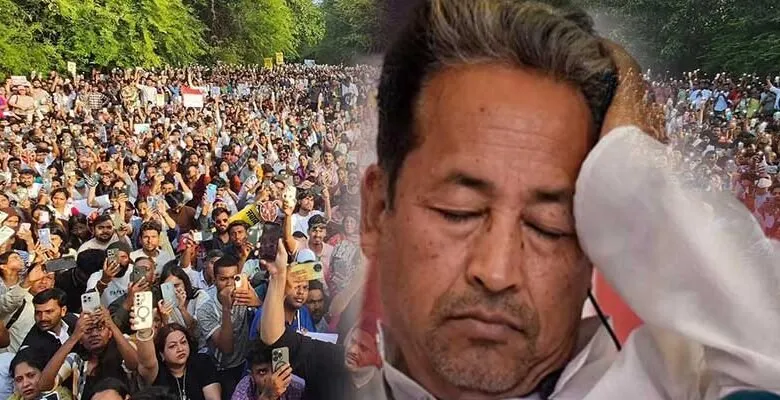
Education specialists have highlighted several recurring concerns:
- India's heavy dependence on single high-stakes examinations
- Increasing mental health pressures on students
- Limited pathways beyond competitive entrance tests
- The need for modernization of examination infrastructure
- Greater institutional transparency
Economists also point out that India's demographic dividend depends heavily on maintaining confidence in education and employment systems.
India vs Bangladesh and Nepal: Are the Comparisons Valid?
Recent political developments in Bangladesh and Nepal have naturally invited comparisons.
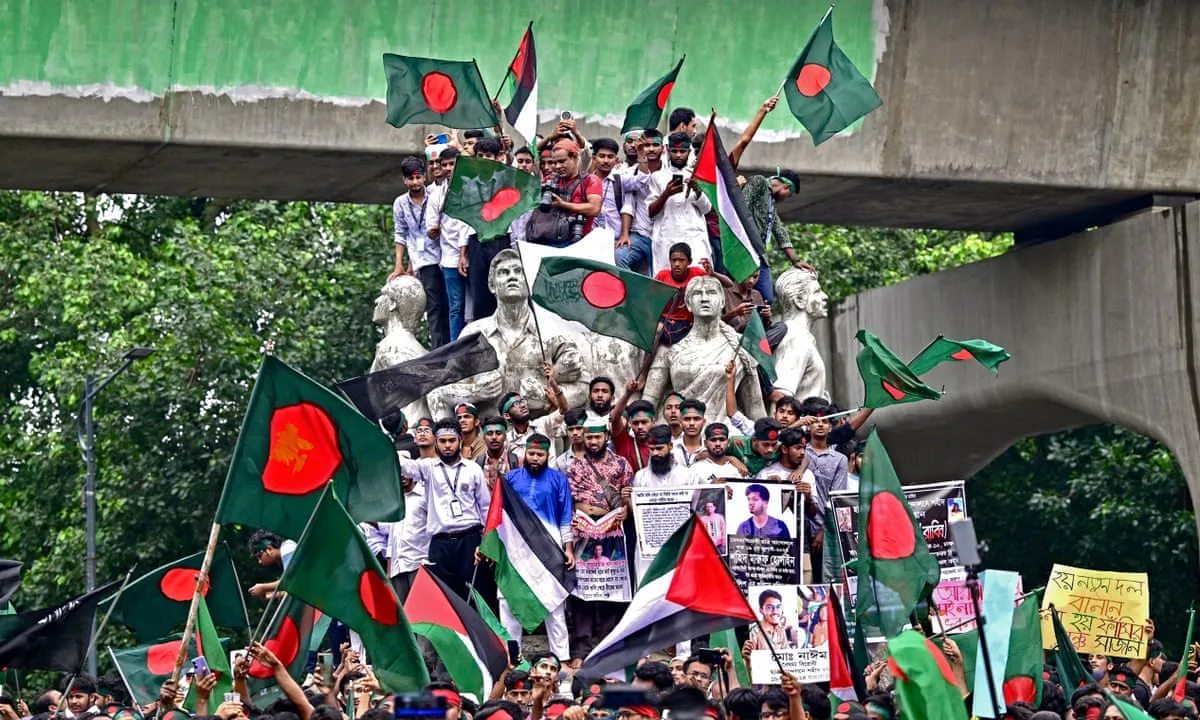
Bangladesh
Student demonstrations initially focused on public-sector employment policies before expanding into a nationwide movement questioning governance and political legitimacy.
Several contributing factors included:
- Sustained nationwide mobilization
- Broader public participation
- Escalating political tensions
- Institutional instability
Nepal
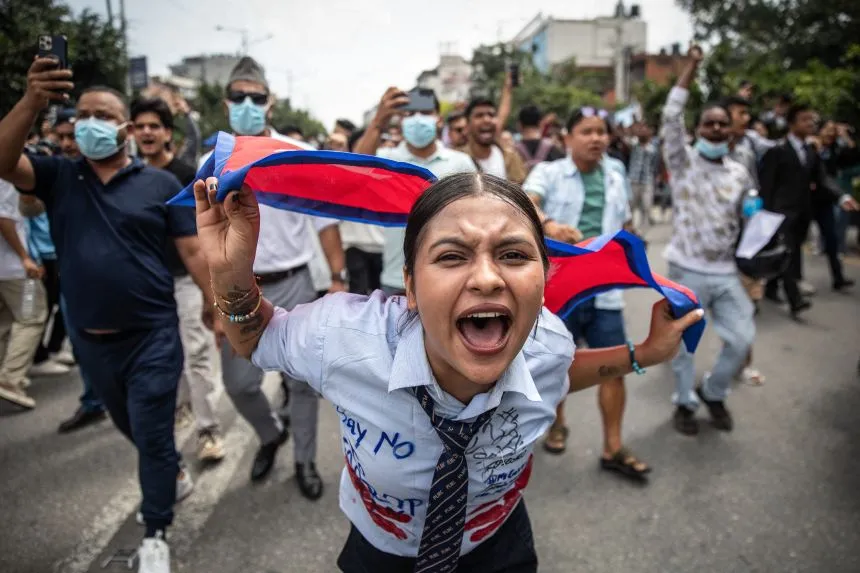
Youth protests in Nepal emerged against governance failures and political dissatisfaction within an already fragmented coalition environment.
Why India Is Different
Although similarities exist, India's political environment differs in several important ways:
- A large federal democratic structure
- Multiple state governments with varying political affiliations
- Independent constitutional institutions
- A significantly larger and more diversified economy
- Stronger institutional continuity
These structural differences make direct comparisons difficult and reduce the likelihood that similar protests would produce identical political outcomes.
Could the BJP Government Face Its Biggest Political Challenge?
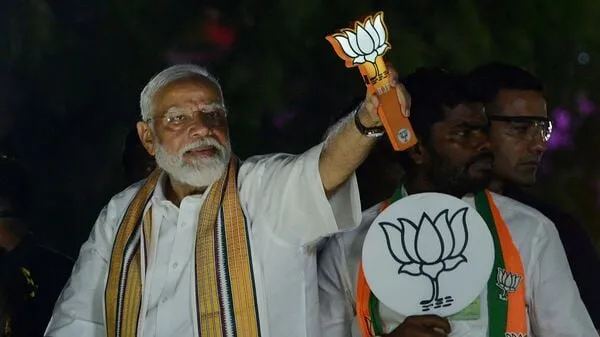
The protests represent a meaningful political challenge, particularly among younger voters. However, a direct threat to the government's survival would likely require several additional developments occurring simultaneously:
- Sustained nationwide protests over an extended period
- Participation from labor unions and broader civil society
- Major coalition fractures
- Significant economic disruption
- Declining support among political allies
At present, while the movement has generated considerable political pressure, there is insufficient evidence to conclude that it is likely to result in an immediate change of government.
What Happens If the BJP Government Remains in Power?
The most likely outcome is a renewed emphasis on education reform.
Possible policy responses include:
- Restructuring examination governance
- Strengthening cybersecurity for examinations
- Greater oversight of testing agencies
- Independent review mechanisms
- Enhanced transparency during investigations
- Modernization of examination infrastructure
Such reforms could help restore confidence without fundamentally altering India's political landscape.
What If Political Instability Increases?
Should the movement broaden significantly to include wider economic and governance issues, India could experience:
- Increased political polarization
- Greater parliamentary disruption
- Higher public pressure for institutional reforms
- Delays in policy implementation
- Increased scrutiny from international investors
Even under this scenario, India's constitutional framework provides greater institutional stability than many regional peers.
How Could India's Economy React?
Short-Term Outlook
Financial markets typically respond more to macroeconomic conditions than localized political demonstrations.
If protests remain limited in duration and geographic scope, likely outcomes include:
- Limited impact on GDP growth
- Stable foreign investment
- Temporary market volatility
- Minimal long-term impact on the Indian rupee
Medium-Term Risks
If unrest expands considerably, potential economic consequences could include:
- Delayed investment decisions
- Reduced business confidence
- Temporary disruption in affected cities
- Slower consumer spending
- Increased market volatility
However, India's diversified economy provides a degree of resilience against localized political disruptions.
What Does This Mean for India's Education System?
Regardless of the political outcome, the protests have intensified calls for structural reforms.
Education experts increasingly recommend:
- Multiple examination opportunities annually
- AI-driven examination monitoring
- Independent regulatory oversight
- Greater transparency during investigations
- Faster grievance redressal
- Alternative admission pathways
- Reduced dependence on a single examination
These reforms could reshape India's education system over the next decade.
Frequently Asked Questions
Why are students protesting in India?
Students are demanding greater accountability and transparency following concerns over examination irregularities, while broader issues such as employment and institutional trust have also become part of the national debate.
Could India experience a situation similar to Bangladesh?
There are similarities in youth mobilization, but India's political institutions, federal governance, and economic structure differ substantially. As a result, identical outcomes should not be assumed.
Will the protests affect India's economy?
If demonstrations remain limited, economists generally expect only modest economic effects. Broader or prolonged unrest could increase uncertainty and temporarily affect investment sentiment.
What reforms are students demanding?
Students are calling for stronger examination security, transparent investigations, institutional accountability, improved governance of testing agencies, and broader reforms to the competitive examination system.
Future Outlook
Over the coming months, several indicators will determine the movement's long-term significance:
- Whether protests continue to expand geographically
- The government's willingness to implement reforms
- Public perception of institutional accountability
- The trajectory of youth employment
- Political responses from opposition parties
- Whether the movement broadens beyond education
The direction taken on these issues will shape both the education policy debate and the broader political narrative.
Also read: US Imposes 50% Tariffs on Canadian Goods: Understanding Economic, Political, and Consumer Impact
Final Analysis
India's student protests have evolved into more than a reaction to examination controversies. They reflect deeper concerns about opportunity, meritocracy, employment, and institutional trust.
While comparisons with Bangladesh and Nepal provide useful regional context, India's political institutions, federal system, and economic scale make a similar near-term political outcome less likely.
The most probable trajectory is one of sustained political pressure leading to education-sector reforms rather than immediate regime change. Nevertheless, the protests have already elevated youth aspirations, examination integrity, and institutional accountability to the forefront of India's national conversation.
Whether this becomes a defining political moment for the BJP government will depend less on the protests themselves and more on how effectively policymakers respond to the underlying concerns of millions of students and young professionals.
By Tommy Thounaojam- Editor Micromunch
You may Also Like

Can You Make a Consistent Monthly Income from Betting? The Best Skill-Based Betting Platforms and Strategies

Emergent AI Becomes Unicorn: $130M Funding, $1.5B Valuation