Why Rich People Stay Rich: The Secret Art of Smart Spending and Strategic Wealth Building
Introduction
Many people assume that wealthy individuals and successful companies stay rich simply because they earn more money. While income certainly plays a role, the deeper truth is more strategic: the rich stay rich because they master the art of spending.
Instead of throwing money at problems, successful entrepreneurs, investors, and global companies focus on spending smarter, not more. They invest in systems that multiply results while minimizing time, effort, and capital. This principle—often called strategic spending, leverage, or capital efficiency—is a core reason why wealth compounds over time.
In fact, one of the most powerful habits of wealthy people and high-performing businesses is this: they design spending in a way that turns customers, partners, and communities into promoters of their brand.
Across industries—from electric vehicles and entertainment to hospitality and restaurants—some of the most successful organizations rely on word-of-mouth marketing, customer experience, and psychological incentives instead of expensive advertising campaigns.
This article explores why rich people stay rich, how smart spending strategies work, and real-world examples from companies like Tesla, Amazon, and Hilton that demonstrate the power of low-cost, high-impact business decisions.
The Core Principle: Wealthy People Optimize Spending
One of the most overlooked truths about wealth creation is that money grows faster when spending is intentional.
Instead of asking:
“How much can we spend to grow?”
Successful businesses ask:
“How little do we need to spend to achieve massive growth?”
This philosophy leads to several powerful outcomes:
Higher profit margins
Lower operational risk
Faster scalability
Stronger customer loyalty
Organic brand growth
Rather than relying heavily on paid advertising, expensive marketing campaigns, or excessive staffing, wealthy individuals and successful companies create systems where customers do the marketing for them.
Let’s look at several real-world examples that illustrate this principle.
Tesla: Billion-Dollar Brand Built Without Traditional Advertising
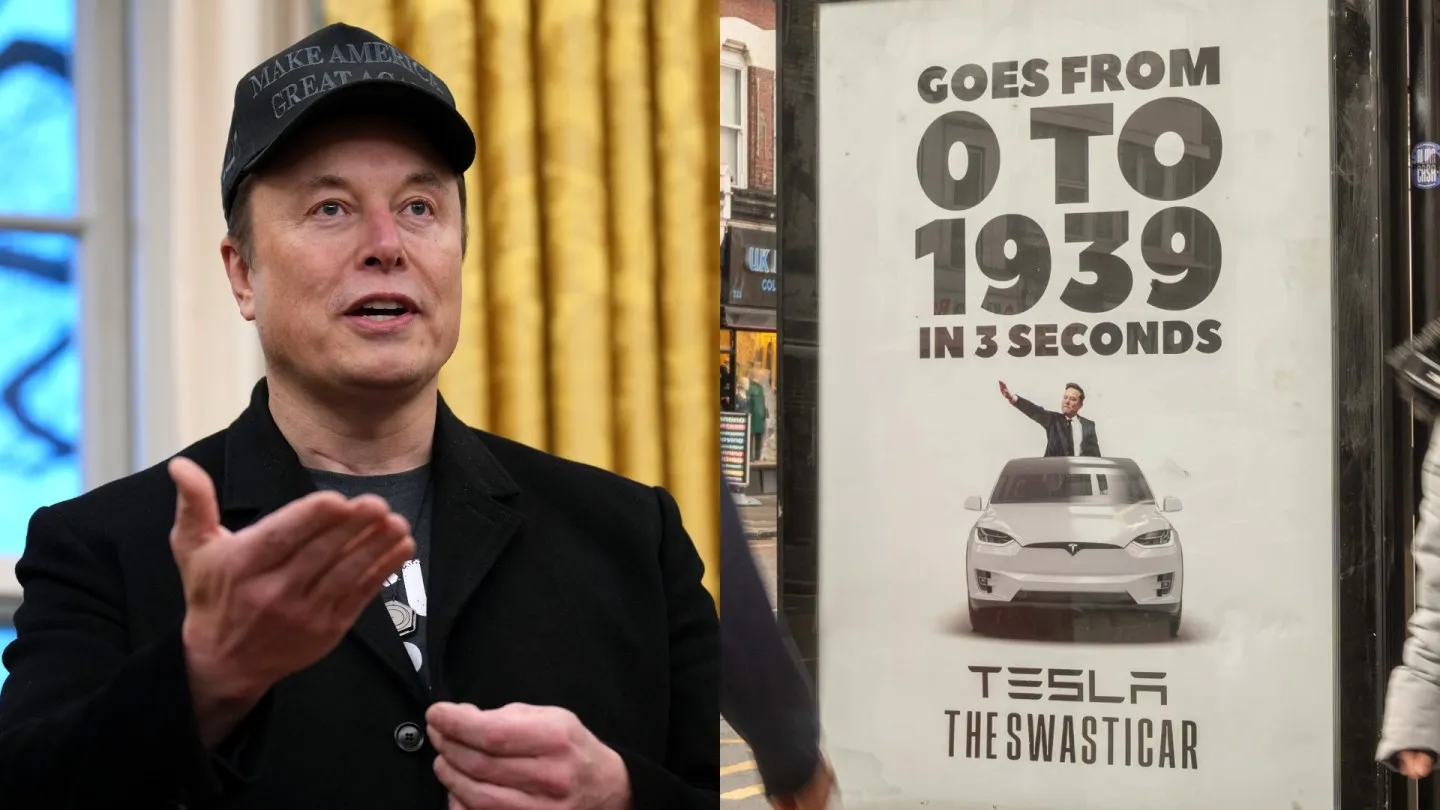
One of the most famous examples of strategic spending is Tesla, led by Elon Musk.
Unlike most automobile manufacturers that spend billions annually on advertising, Tesla historically spent almost nothing on traditional advertising for many years.
How Tesla Promoted Its Brand Without Ads
Instead of commercials or billboards, Tesla focused on:
Product innovation
Customer excitement
Referral programs
Social media buzz
Tesla owners often become passionate ambassadors for the brand. They talk about the car to:
family
friends
coworkers
online communities
Tesla also introduced referral programs where customers could share a referral code with friends. In return, both parties received perks such as:
free Supercharging miles
exclusive rewards
invitations to events
This created a viral marketing loop where customers actively promoted the brand.
Result
Tesla achieved global brand recognition while saving billions in advertising costs—demonstrating how product experience and community engagement can replace expensive marketing budgets.
Penn & Teller: Turning Fans into Lifetime Promoters
Another powerful example comes from the legendary magician duo Penn Jillette and Teller, stars of the long-running Las Vegas show Penn & Teller: Fool Us.

After every performance, instead of leaving immediately, Penn & Teller:
take selfies with fans
shake hands
answer questions
interact personally with the audience
Each night, they engage with around 200 attendees.
Why This Works
Every fan who meets them personally becomes a storyteller.
Those fans share their experience with:
friends
family
social media followers
coworkers
This creates authentic word-of-mouth marketing, one of the most trusted forms of promotion.
Result
Penn & Teller became one of the longest-running headliners in Las Vegas history without relying heavily on expensive marketing campaigns.
Amazon: Strategic Tax and Financial Efficiency
Another example of smart financial strategy comes from Amazon.

At certain points in its growth phase, Amazon reported rising revenues and expanding operations while paying little or no federal income tax in specific years in the United States.
This occurred due to several legal financial strategies such as:
reinvesting profits into infrastructure
research and development credits
stock-based compensation deductions
loss carryforwards from earlier years
Rather than extracting profits immediately, Amazon focused on reinvesting aggressively into growth, including:
logistics networks
cloud computing through Amazon Web Services
automation and technology
Result
This strategy allowed Amazon to grow into one of the most valuable companies in the world while maintaining strong long-term financial leverage.
Skip’s Kitchen: Marketing Through Gamification
A small but brilliant example comes from Skip’s Kitchen, a California burger restaurant.

Instead of spending heavily on advertising, Skip’s Kitchen created a simple game-based promotion.
The Card Deck Strategy
After ordering, customers draw a card from a deck.
If they pull the Joker, their entire meal is free.
This small gamble creates:
excitement
anticipation
conversation
social sharing
The cost to the restaurant is minimal.
Cost Breakdown
For every $100 spent by customers, Skip’s Kitchen spends only about $2 on free meals.
Yet customers constantly talk about the experience, creating free word-of-mouth advertising.
Hilton DoubleTree: The $0.20 Marketing Masterpiece
One of the most famous hospitality marketing strategies comes from DoubleTree by Hilton.

At every check-in, guests receive a warm chocolate chip cookie.
Why the Cookie Matters
The gesture is simple, inexpensive, and memorable.
Each day:
roughly 75,000 cookies are given out globally
about 34% of guests mention the cookie to others
That means approximately 25,000 brand stories are shared every single day.
Cost
The cookie costs around $0.20 per unit.
Result
For just a few cents, DoubleTree created one of the most memorable hotel brand experiences in the world.
Guests remember the cookie—and they talk about it.
Neptune Theatre: Influencer Marketing Before Social Media
Before influencer marketing became mainstream, Neptune Theatre implemented a clever strategy.

When actor and director John Neville took over the theatre, he gave free tickets to local taxi drivers.
Why Taxi Drivers?
Taxi drivers talk to hundreds of passengers every week.
During conversations, they naturally recommended the theatre shows.
Result
Within two years:
theatre subscriptions doubled
This was essentially early influencer marketing, using trusted community voices to promote the experience.
The Psychological Principles Behind Smart Spending
These strategies work because they leverage powerful human behaviors:
1. Word-of-Mouth Trust
People trust recommendations from friends and family far more than advertisements.
This makes word-of-mouth marketing one of the most powerful growth tools.
2. Memorable Experiences
Small surprises—like a cookie or a free meal—create emotional memories that customers want to share.
3. Gamification
Games trigger excitement and curiosity.
Skip’s Kitchen turned ordering food into an experience worth talking about.
4. Community Promotion
When customers feel connected to a brand, they voluntarily become brand advocates.
Tesla owners are a prime example.
5. Leveraged Spending
The wealthy focus on spending once and benefiting repeatedly.
A cookie costs $0.20 but generates thousands of conversations.
Key Lessons from Wealthy Individuals and Successful Businesses
From these examples, several powerful lessons emerge:
1. Spend for Impact, Not for Appearances
Big advertising budgets do not guarantee success.
2. Design Shareable Experiences
Memorable customer experiences generate organic marketing.
3. Turn Customers Into Promoters
Happy customers can become the most powerful marketing team.
4. Use Psychology, Not Just Money
Emotion, surprise, and storytelling drive brand loyalty.
5. Invest in Systems That Multiply Results
The goal is not just to earn money but to create mechanisms that grow money automatically.
Conclusion
Rich people and successful businesses stay rich not simply because they earn more—but because they spend with precision and purpose.
They avoid wasteful spending and instead focus on strategic investments that create exponential impact. Whether it is Tesla relying on passionate customers, DoubleTree creating unforgettable hospitality moments, or small businesses like Skip’s Kitchen using clever promotions, the underlying principle remains the same:
Smart spending creates compounding returns.
By mastering the art of leveraged spending, word-of-mouth marketing, customer experience design, and financial efficiency, wealthy individuals and organizations build systems that generate growth with minimal additional effort.
In the long run, this disciplined approach to money management is what separates those who earn wealth temporarily from those who build wealth that lasts for generations.
By [Tommy Thounaojam] Editor MicroMunch
You may Also Like

How Emma Chamberlain Built Chamberlain Coffee Into a $30 Million Creator-Led Brand
Best Way to Use Amex Membership Rewards Points in 2026: Maximize Value with Marriott, Airlines & Smart Transfers