Global Aviation Champions: The Five Global Terminals That Reign Supreme Ventures
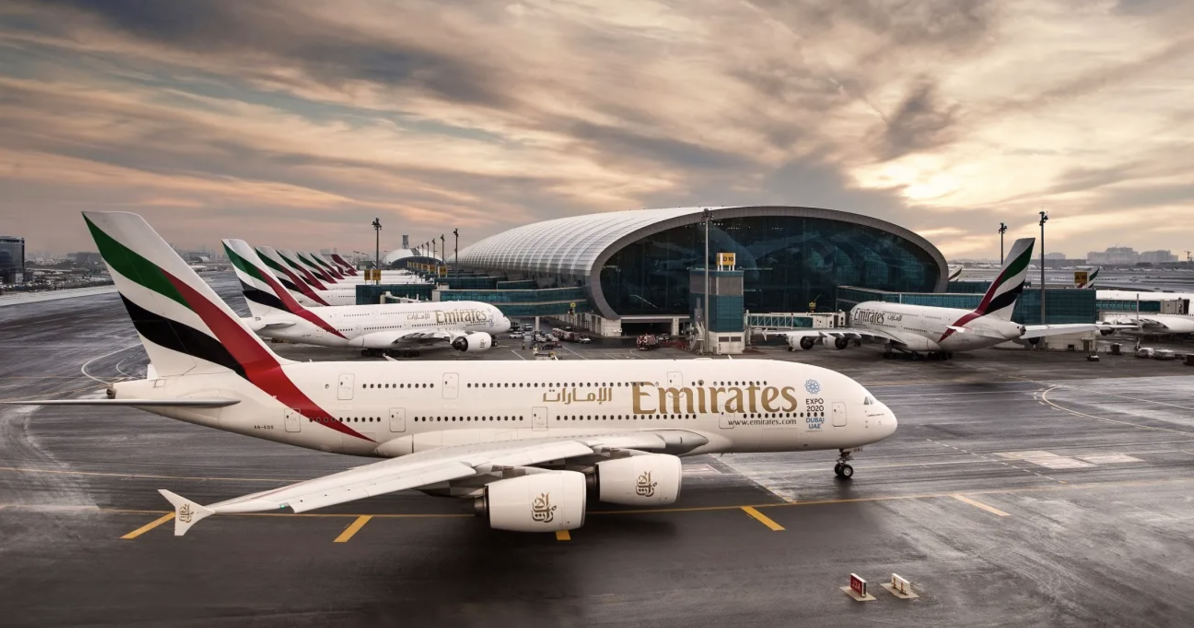
Aircraft are one of the fascinating and efficient inventions of man, and their base are altogether another story one can know. My cousin worked for airlines, so the story behind its wheel is something familiar. Each take-off and landing requires another effort, from client service to comfort, life safety, and business; it’s a different world of operation.
Today, we will take a stroll around the runway and learn more about the world's best airports and the reasons behind them. Are they simply airports or an aid in revenue generation? Let’s find some interesting facts.
1. Singapore Changi Airport (SIN), Singapore

IMAGE: Singapore Changi Airport
“I can't believe this airport has a butterfly garden and a movie theatre. JFK is just Salmonella and despair.” Not my words, just quoting Rachel Chu (Constance Wu) from the Movie Crazy Rich Asians. And if she was so amazed, this airport must be noteworthy. Let me take you on a verbal tour, so you know why is Singapore Changi the best airport.
Singapore Changi Airport's best features: Designed not just as a transit hub but as a destination, this won't stop to amaze one. include indoor gardens, a butterfly garden, rooftop sunflower/spiral gardens, and the iconic “Jewel” complex with a massive indoor waterfall (Rain Vortex), forested area, dining, and shopping under one roof.
Passenger experience:
1. It is known as the best airport for first class lounges, play areas for kids, rest zones, high cleanliness, efficient immigration/transfer, high-tech baggage & tracking, and excellent customer service.
2. Innovation in operations, efficient transfer processes, smart use of space, emphasis on “travel comfort + leisure + shopping + convenience.”
3. High passenger & business volume ensures robust non-aeronautical revenue (shopping, hospitality, retail, airport-city style business).
Business & Operational Strength:
a. This is one of the best airports for shopping and food, with a mix of duty-free boutiques, global brands, global and local food & beverage outlets, specialty stores, leisure & retail shops, and convenience stores for travellers. In Changi, you’ll find a wide variety of stores, including high-end fashion and luxury boutiques like Burberry, Gucci, Prada, Coach, plus watch and jewellery stores (e.g., Omega, Cartier, and similar luxury-brand retailers). Beyond shopping & dining, there are wellness and service outlets (spa, convenience, duty-free, and travel-retail), making the airport feel like a full-fledged mall rather than just a transit hub.
Though the exact global scale of revenue and numbers varies by year, Singapore Changi Airport is repeatedly ranked among the world’s most profitable airports because of its high retail turnover, duty-free sales, and integrated mall-airport concept, making it a top model.
2. Hamad International Airport (DOH), Doha, Qatar

The Middle East is known for its exceptional architecture and cities, promoting a luxury lifestyle. If you enter the Hamad International Airport in Doha, you will know it. Given its strategic location and modern infrastructure, it has become a major transit hub.
Qatar Hamad Airport's best Features: Hamad International Airport’s sweeping, wave-inspired roof and curving terminal silhouette echo the dunes and seas of Qatar, designed by HOK. The terminal’s steel-framed glass walls and skylights flood interiors with natural light, offering dramatic visual flow. The vast open spaces, contemporary minimalist design, lots of glass and light, streamlined passenger flow, and blending modern design with regional heritage.
Passenger experience:
1. They have Luxury lounges, high-end duty-free shopping, fine dining, world-class services, spa and wellness options, family zones, quiet lounges, and efficient transfer corridors.
2. It features a crescent-shaped, 85-meter-high air-traffic control tower, a water-drop-shaped mosque, indoor gardens, and art installations.
3. Hamad International Airport, Doha, is reviewed as a major hub for global traffic as it handles a huge volume of international transfers, making it a key connectivity node.
Business & Operational Strength:
a. DOH gives travellers a full shopping, gifts, souvenirs, and dining options, all under one roof, making it one of the best airports for shopping. The central retail operator is Qatar Duty Free (QDF), running boutiques, duty-free shops, and brand stores like Gucci, Hermès, Bulgari, and Rolex
b. Boutiques/sections like “Esquire” (leather goods & travel accessories), “Pulse” (electronics), “Boulevard” (fashion accessories), “Marmalade Market” (gourmet foods), and others have appeared over time.
c. The newer heritage-style shopping/dining precinct Souq Al Matar features a mix of 7 boutique shops and 2 restaurants serving local Qatari cuisine and traditional gift/souvenir items such as perfumes, dates, spices, and garments.
Its non-aeronautical revenue (shopping, hospitality) plus high passenger volume gives it strong business viability for airlines, retail partners, and hospitality services.
3. Incheon International Airport (ICN), Seoul, South Korea
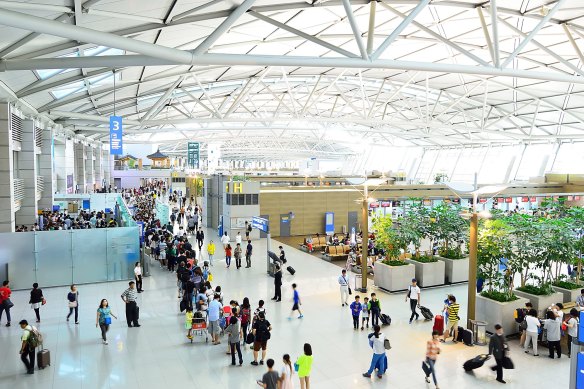
With the K-pop and K-drama booming, many must have gotten a glimpse of Soul’s Incheon International Airport at some point. So let's know the technical and functional details behind the appealing visual.
Incheon International Airport's best Features:
a. It is known for being one of the cleanest airports in the world, efficient design, easy navigation, clear signage (multi-language), efficient immigration/customs, and outstanding on-time performance.
Passenger experience:
1. With Incheon International Airport transit hotels, lounges, cultural exhibitions, spa & sauna options, art installations, and indoor gardens, children's play areas, libraries, sleeping/rest pods, etc., it makes it one of the best airports for layovers
2. Offers high levels of automation for check-in, baggage, self-service kiosks, and smooth transfer flows. known for reliability and punctuality, which is critical for long-haul international travel and transit reliability, making it one of the most efficient airports in the world
Business & Operational Strength:
a. Big duty-free operators, The Shilla Duty Free, Shinsegae Duty Free, Lotte Duty Free, are running most of the luxury goods, cosmetics, liquor, tobacco, fashion, and accessories outlets at ICN.
b. It makes the best airports for shopping with Luxury/fashion/boutiques brands like Gucci, Hermès, Bottega Veneta, Bvlgari, Coach, Prada, Tiffany & Co., Mulberry, Ferragamo, and Miu Miu listed for ICN’s retail zones.
c. Big Korean-food and local-brand outlet Bibigo (by CJ Foods) now sells Korean snacks, kimchi, gift sets, and travel retail items
d. Food & café/quick-service chains and casual dining outlets include Dunkin’ Donuts, Baskin-Robbins, various cafés & casual restaurants, convenience stores, and snack shops good for travellers’ quick meals, snacks, or coffee.
With high user satisfaction, strong transit volume especially between Asia and other world regions, and diversified services like hotels, retail, culture, Incheon best international airport for both airlines and travellers.
4. Zurich Airport (ZRH), Switzerland
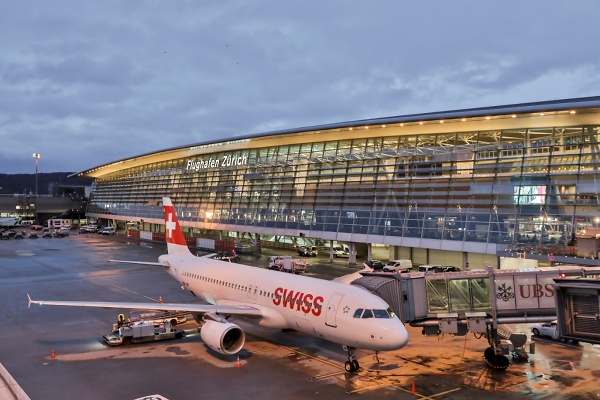
Zurich is one of the best airports in the world, thanks to The Circle, it doubles as a mixed-use urban hub, combining travel, business offices, hotel accommodations, health-care (hospital), retail & dining under one integrated zone. Let’s know in detail
Zurich Airport's best Features:
1. Right next to the airport, The Circle offers shops, restaurants, offices, hotels like the Hyatt Regency, a medical centre, and conference facilities, turning Zurich Airport into a full business-and-leisure hub rather than just a travel stop.
2. The breadth and variety of lounges and premium-class services (showers, recliners, luxury dining, Alp-view terraces, work zones) stand out compared making it one of the best airports for layovers, and best airports for first class lounges.
Passenger experience:
a. Facilities for differently-abled travellers (ramps, lifts, assistance desks), family rooms, baby-changing and children’s play areas, making transit easier for families.
b. ATMs and currency-exchange desks, banking services, luggage wrapping, storage and lockers, post-office, showers, medical services/pharmacy, wheelchair & accessibility support, charging stations, free Wi-Fi, travel assistance.
c. The airport offers a dedicated conference/meeting centre with rooms for up to 120 people, equipped with fax/print services and support, ideal for business travellers needing meeting space pre- or post-flight.
Business & Operational Strength:
It ranks among the best airports for shopping in the world with over 100 shops and restaurants in the public + airside zones, including luxury boutiques, Swiss specialty goods (watch and chocolate shops), duty-free retail, general travel-retail, souvenirs, fashion, electronics, and more. ZRH functions as a full-fledged mini-city/one-stop hub rather than a typical airport, helpful for both travellers and locals.
5. Tokyo Haneda Airport (HND), Japan

Tokyo Haneda Airport is not just a transit hub; it often feels like a mini-city where one can shop, eat, relax, bathe, and even stay overnight, a blend of comfort, convenience, and revenue generation.
Tokyo Haneda Airport's best Features:
a. They have three well-organized terminals: T1 + T2 domestic, T3 international, all connected by shuttle or underground walkways for easy transfers between domestic and international flights. Terminal-3’s “Edo Ko-ji” is a stroll through old-Tokyo with wooden-style facades, lantern-lit shops, traditional-food eateries and souvenir stores that recreate a 17th-century Tokyo vibe.
c. Each terminal has an open-air deck where you can watch planes take off/land, especially at night atop Terminal 2, creating a calm, almost romantic ambience. The most recent addition of Haneda Airport Garden in 2023 made it a mini-destination, along with transit
Passenger experience:
1. For weary travelers, there’s the hotel at Terminal 2 (Haneda Excel Hotel Tokyu) or, via Haneda Airport Garden, the spa/onsen complex (Villa Fontaine Grand Haneda Airport). This is one of the best airports for layovers, perfect for rest or a relaxing bath between flights.
2. Every terminal offers lounges, both airline-operated (e.g. by major carriers) and shared ones, plus free Wi-Fi, ATMs, currency exchange, convenience services, and baggage lockers, making travel smooth and comfortable.
Business & Operational Strength:
a. Tokyo Haneda Airport (HND) offers a bustling retail and service ecosystem across its terminals. Passengers can shop at duty-free anchors like TIAT Duty Free and ANA Duty Free, and browse luxury boutiques such as ROLEX alongside global brands like UNIQLO.
c. 7-Eleven and travel-goods stores are available, while the “Japan Mastery Collection” showcases traditional Japanese crafts and souvenirs. And other dining options, from quick-service ramen and cafés to bakeries, are available, catering to every budget.
d. The airport generates strong non-aviation revenue through extensive retail, dining, lounges, and the newly developed Haneda Airport Garden complex. Operationally, HND benefits from cutting-edge automation, seamless transport links to central Tokyo, and multiple terminals optimized for domestic and international traffic, reinforcing its reputation as Japan’s most reliable and profitable airport hub.
Insight into Airport Revenue System: Business World Wonderland
While talking of Airports, they typically have two types of revenue generation,
Aeronautical Revenue: This includes the amount generated from airline charges, landing fees, and other charges. Passenger-traffic data is more public; airports use that to model revenue/valuation, but actual profitability depends on many factors like operational cost, regional regulations, cost of running luxury amenities. Also, the ongoing investment in expansions, maintenance, staff, security, etc., influences net revenue, which varies year to year.
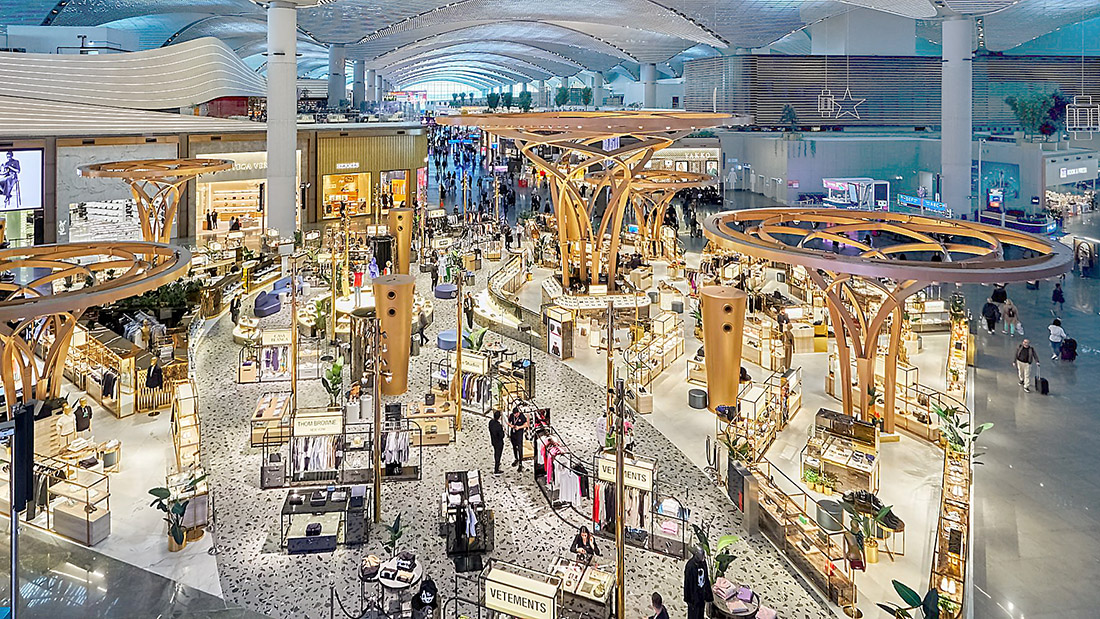
Non-aeronautical Revenue: It comprises retail, duty-free, real estate, hospitality, parking, and services. Their income details are commercially sensitive, and not all airports publicly break them out in detail.
What Airport management requires is to maintain the balance between both and keep the process going. Including brand, luxury and retail shops along with food and beverage brands, and some even stay, is a strategy to attract and retain more customers.
What Makes These Airports “The World’s Best”
These airports don’t just function as travel hubs, but they combine state-of-the-art design, world-class comfort, luxury amenities, cultural or lifestyle value, and high operational efficiency.
They serve as global connectors linking continents, commercial hubs with retail, duty-free shops, hospitality, and destinations in themselves (especially in the case of Singapore Changi). For airlines, retailers, travellers, and global businesses, they represent a model of what modern airports can and should be.
By P. Manika (Performist Content Writer)
Reference Link:
https://newsroom.cj.net/bibigo-stores-now-opened-at-incheon-airport-duty-free/
https://airinfo.airport.kr/co_en/4440/subview.do
https://www.seoul-icn.airports-guides.com/icn_airport_facilities.html
https://en.wikipedia.org/wiki/Hamad_International_Airport
https://www.youtube.com/watch?v=3IUpgzhpB2Y
https://www.changiairport.com/in/en.html
https://en.wikipedia.org/wiki/Changi_Airport
https://en.wikipedia.org/wiki/Zurich_Airport
You may Also Like

How to Build Credit with a Secured Credit Card: A Beginner's Step-by-Step Guide to Building a Strong Credit Score

Best Way to Use Amex Membership Rewards Points in 2026: Maximize Value with Marriott, Airlines & Smart Transfers