US Imposes 50% Tariffs on Canadian Goods: Understanding Economic, Political, and Consumer Impact
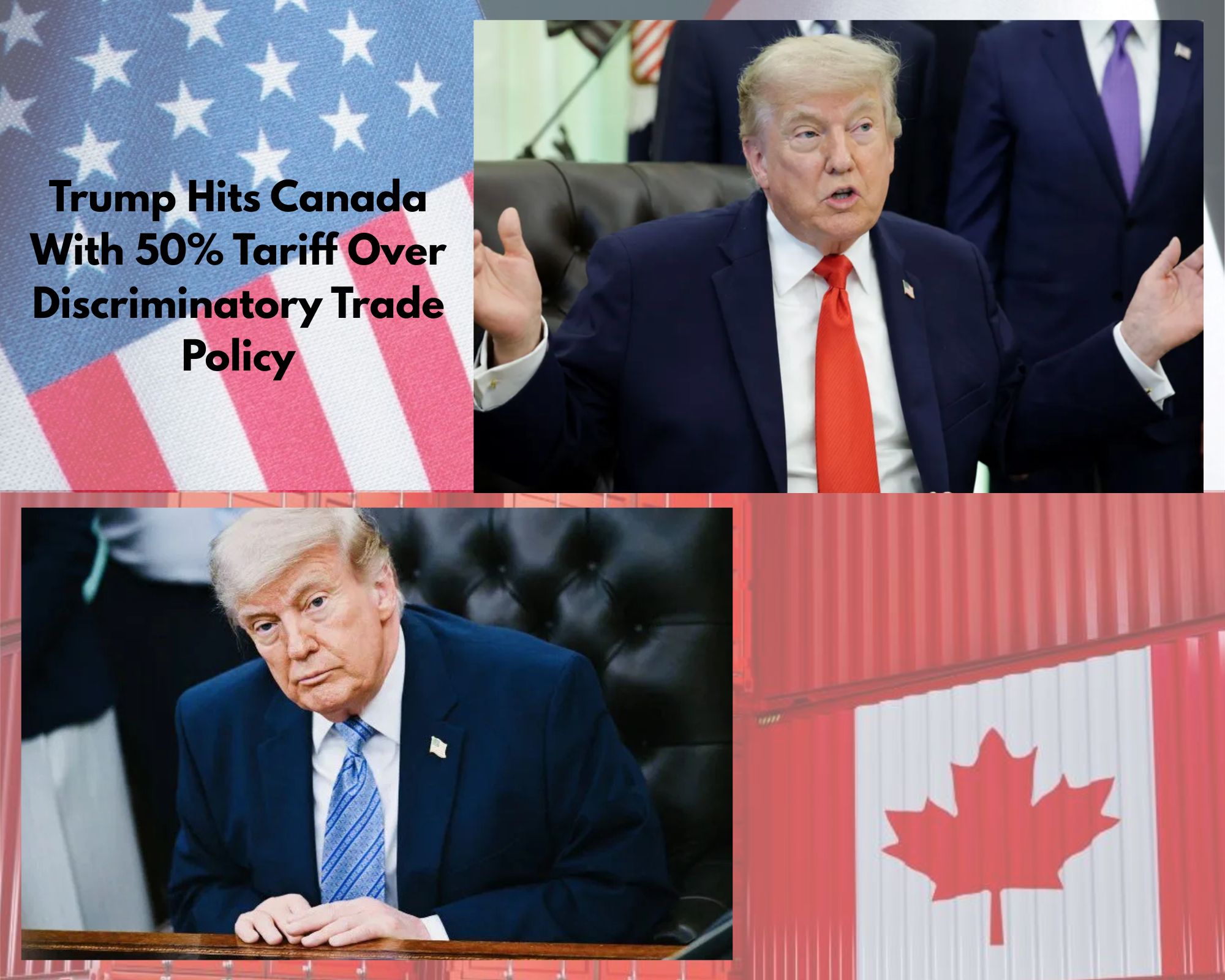
The United States and Canada share one of the world's largest bilateral trading relationships, with hundreds of billions of dollars in goods crossing the border every year. That relationship entered a new phase when the U.S. announced a 50% tariff on selected Canadian imports, marking one of the sharpest trade actions against its closest ally in decades. If you remember, a similar situation occurred previously where Trump's tariff policy introduced tariffs on pharma imports and Indian imports as well.
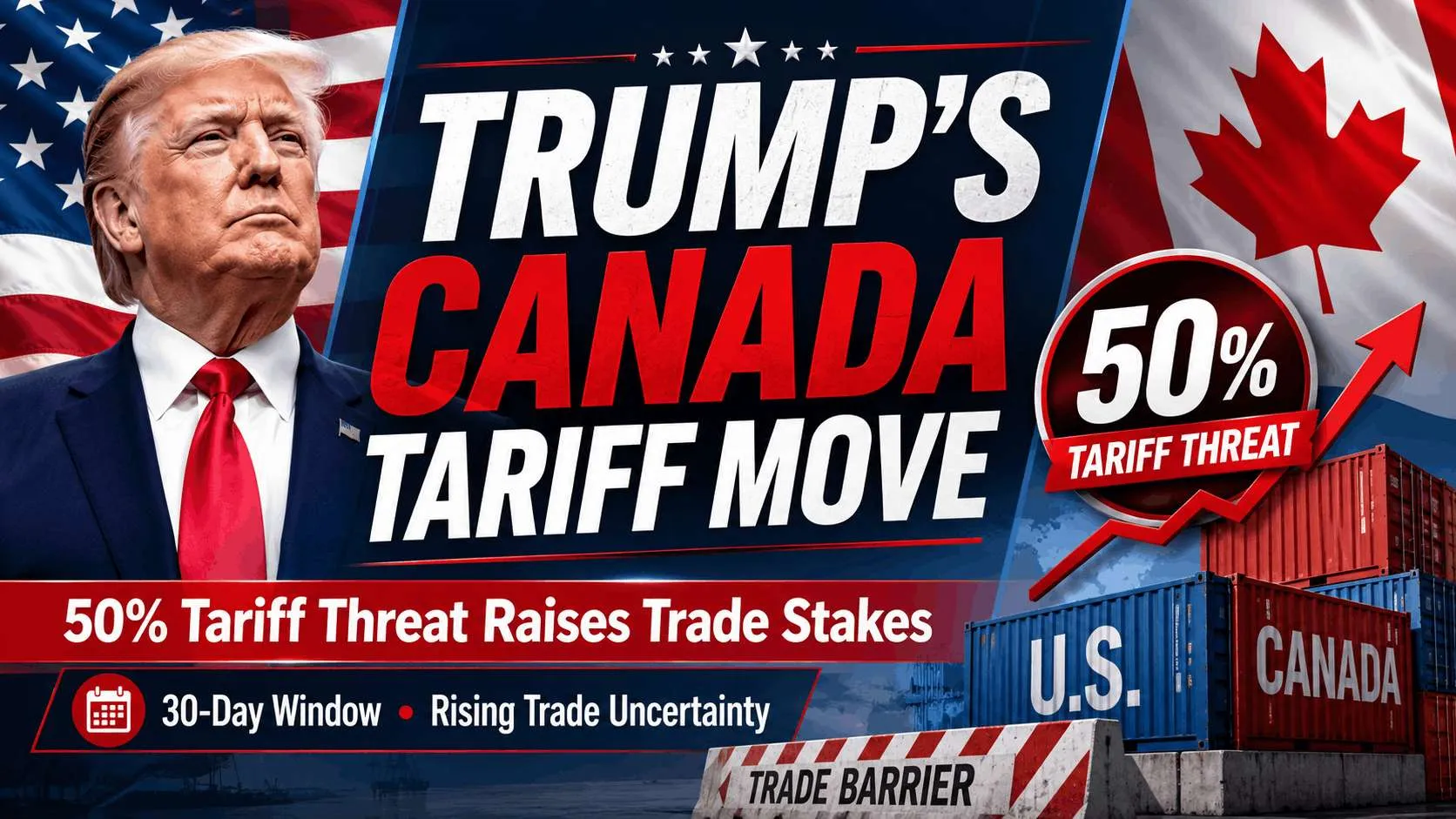
The decision has sparked concerns among manufacturers, economists, policymakers, and consumers about rising prices, supply chain disruptions, and the future of North American trade cooperation. Lets understand what this is, how and why it is concerning for many, and what effect it will have on the Canadian economy.
What Is a Tariff?
For those who are wondering what a tariff actually is and how it impacts an economy, it is a tax imposed by a government on imported goods.
For example:
- Canadian cement is exported to the U.S. and costs $100
- A 50% tariff adds $50
- The importer now pays $150 before additional distribution costs
Businesses may absorb part of the cost, but higher import costs are often passed on to wholesalers, retailers, and ultimately consumers. This in turn will make Canadian goods costly in the U.S.
When Did the U.S. Announce the 50% Tariffs & When Will Trump Policy Changes 2026 Take Effect?

- On July 20, 2026, the Trump administration announced a 50% tariff on approximately $20 billion worth of selected Canadian imports.
- The tariffs are scheduled to become effective on August 19, 2026, providing a short negotiation window before implementation.
- The measures were announced under Section 338 of the Tariff Act of 1930, a provision that has rarely been used in modern trade policy.
- Exemptions include energy products, potash, fish, and certain critical minerals. Integrated supply chains in automobiles, agriculture, construction materials, energy, and consumer products have long benefited businesses and consumers in both countries.
Why Was Trump Tariff Policy Imposed?
- The news and sources highlight that, according to the White House, the tariffs respond to what it describes as discriminatory Canadian trade practices, particularly involving:
- U.S.-made automobiles
- Dairy products
- Alcoholic beverages
- The administration argues these Canadian policies disadvantage American producers and are inconsistent with fair trade.
- Reportedly, Canada disputes these claims and maintains that its trade measures comply with existing agreements.
Legal Basis: Section 338 of the Tariff Act of 1930
- The administration invoked Section 338 of the Tariff Act of 1930, a legal authority that has seen little use in modern trade policy.
- Reportedly, the White House argues that the provision allows retaliatory tariffs when foreign governments discriminate against U.S. commerce.
- Critics question whether its use in this context aligns with current trade agreements and anticipate legal and diplomatic challenges.
Which Canadian Products Are Affected by Trump's Governance Strategy?
The announced measures apply to a broad selection of Canadian exports. These exemptions reflect the strategic importance of those products to U.S. industries.
Included | Excluded |
Wine | Energy products |
Certain alcoholic beverages | Potash |
Dairy products | Fish |
Cement | Certain critical minerals |
Furniture | |
Clothing | |
Hockey equipment |
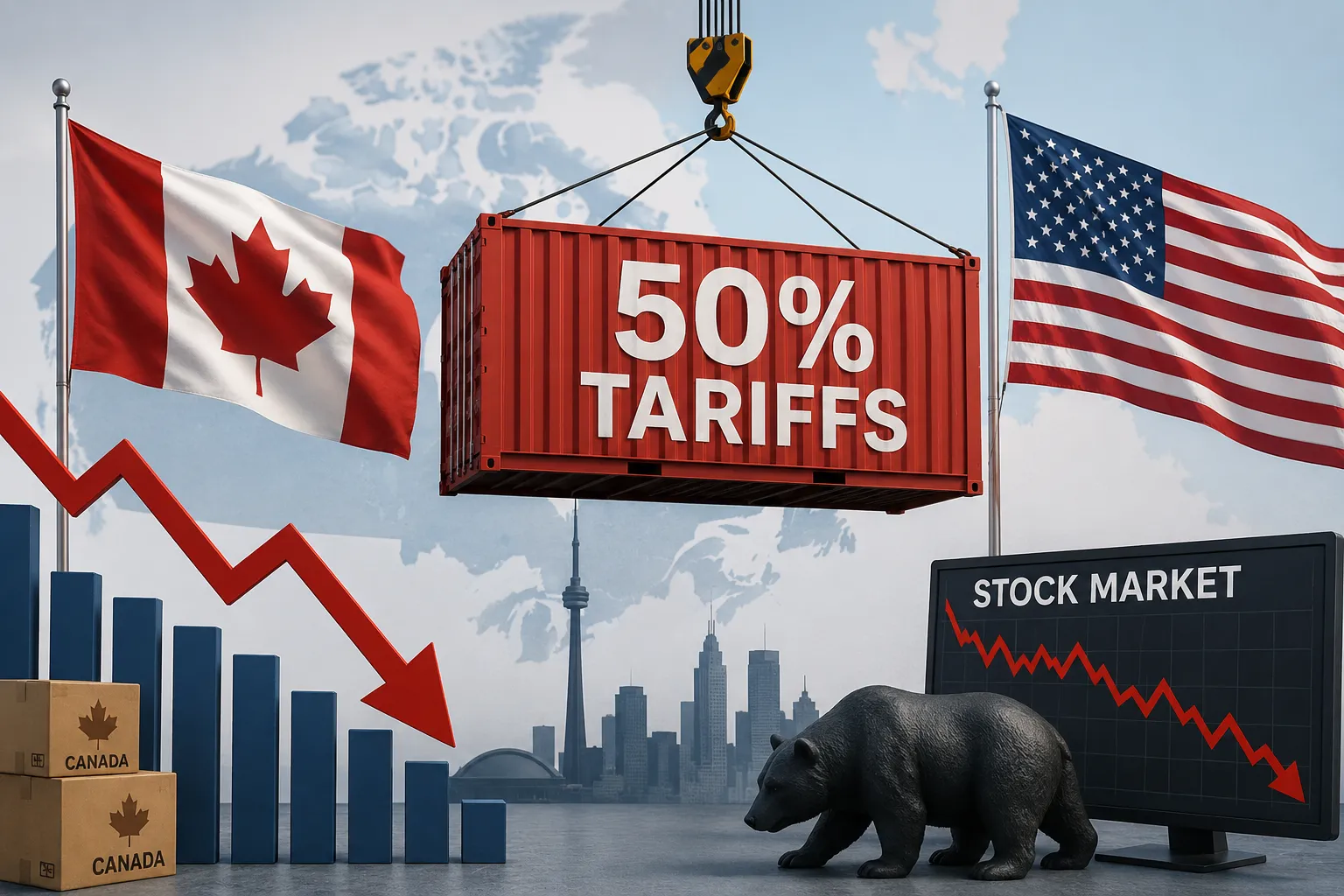
Economic Impact of Trump Policy Reversals on the United States
- Higher Consumer Prices: Tariffs generally increase import costs, and if businesses cannot absorb those costs, consumers may face higher prices for affected products.
- Manufacturing Challenges: Increased costs for imported components can reduce competitiveness and raise production expenses. And where many North American manufacturers rely on cross-border supply chains, it creates a problem.
- Inflation Risks: Many Economists have surmised that broad tariff increases can contribute to inflation by increasing prices for imported goods and inputs used by domestic manufacturers.
Economic Impact of Trump Policy Changes 2026 on Canada
- A wide concern is that industries depending heavily on U.S. buyers may experience the greatest challenges if the tariffs remain in place.
- Canada exports a significant share of its goods to the U.S., making American trade policy especially important for Canadian businesses. Potential impacts include:
- Lower export demand
- Reduced manufacturing output
- Pressure on employment in export-oriented sectors
- Slower investment
- Increased uncertainty for businesses
Impact of Trump Governance Tariff Strategy
Impact on Businesses
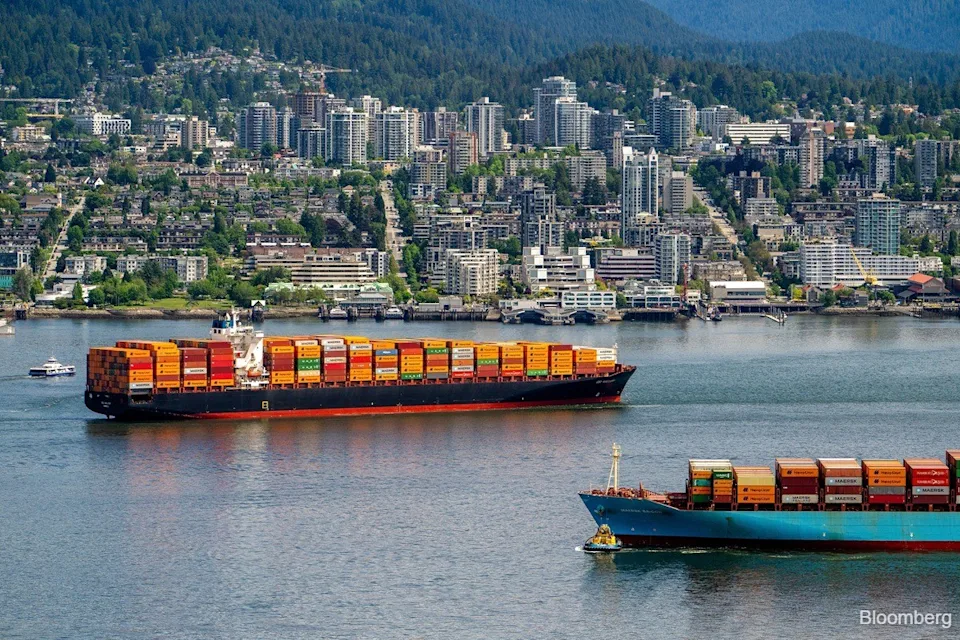
Within any economy, small and medium-sized enterprises often have fewer resources to adapt, making them particularly vulnerable to prolonged trade disputes. If this Trump policy reversal continues, businesses in both countries may need to:
- Find alternative suppliers
- Renegotiate contracts
- Increase prices
- Delay investment decisions
- Diversify export markets
Impact on Ordinary Citizens
A high possibility is that workers employed in export-dependent industries may also be affected if businesses reduce production or delay hiring. Yet the effects of tariffs imposed on imports can reach households. Consumers may encounter:
- Higher retail prices
- Increased construction costs if building materials become more expensive
- Reduced product choices
- Greater uncertainty about inflation
Political Implications
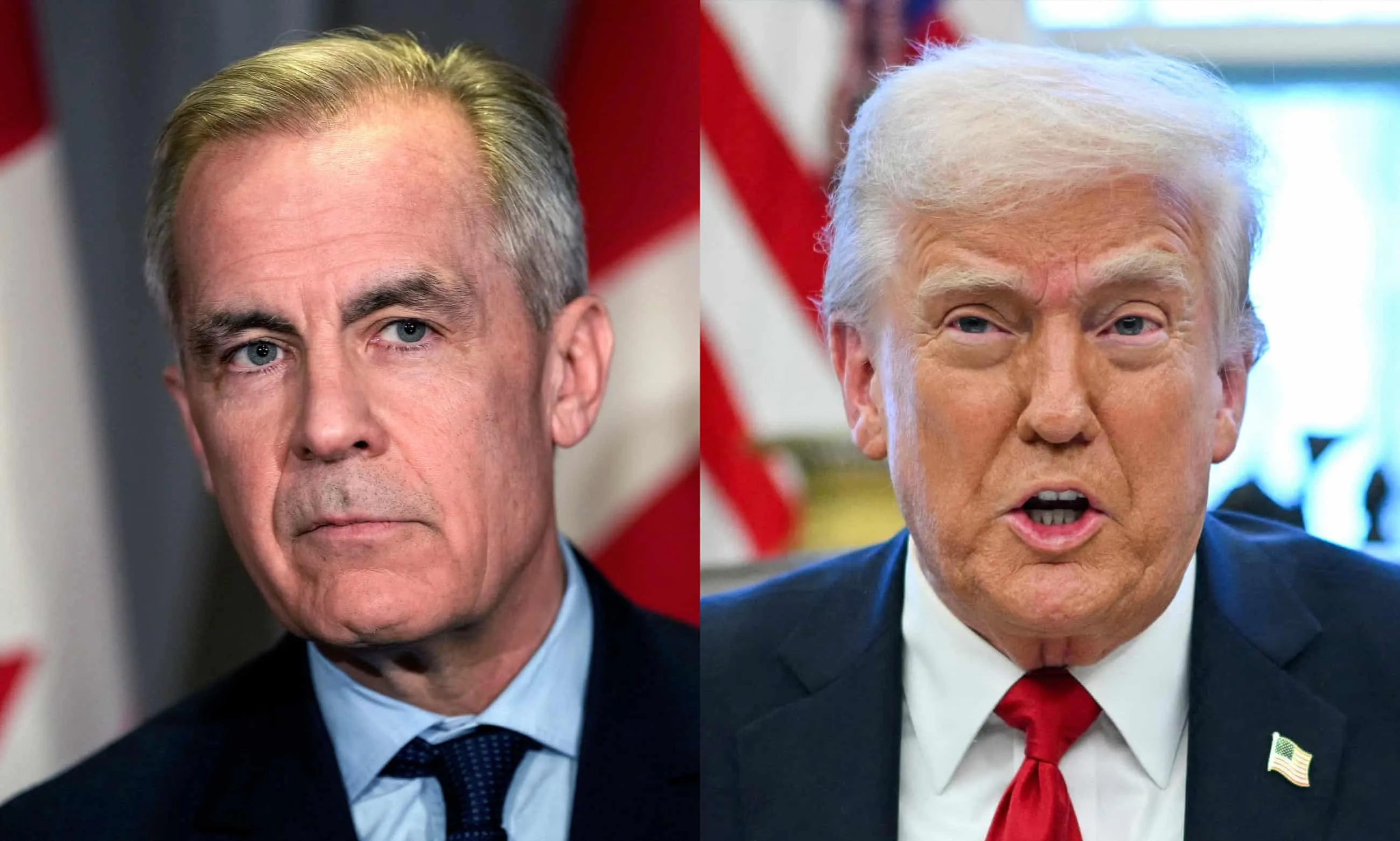
The tariffs have intensified political debate in both countries.
- United States
- Reportedly, supporters argue the measures protect domestic industries and encourage fairer trade practices.
- Critics contend they could increase costs for consumers, strain relationships with a close ally, and invite retaliatory measures.
- Canada
- Canadian leaders have criticized the tariffs as inconsistent with the spirit of the Canada-United States-Mexico Agreement (CUSMA/USMCA) and have indicated they are prepared to defend Canadian workers and industries.
Could Canada Retaliate To Trump Tariff Policy?
Historically, both countries have used a combination of negotiation and targeted countermeasures during trade disputes. Allegedly, Canada has several potential responses, including:
- Counter-tariffs on selected U.S. goods
- Legal challenges under trade agreements
- Continued bilateral negotiations
- Diversifying export markets
Is There a Middle Ground in Trump Policy Reversals?
According to rules, yes. Whether a compromise is reached will depend on the willingness of both governments to negotiate. The 30-day period before the tariffs take effect creates an opportunity for negotiations. Possible outcomes include:
- Partial suspension of tariffs
- Product-specific exemptions
- New agreements on dairy, automobiles, or alcohol
- Broader revisions to bilateral trade arrangements
What Could Trump Policy Changes 2026 Mean for North American Trade?
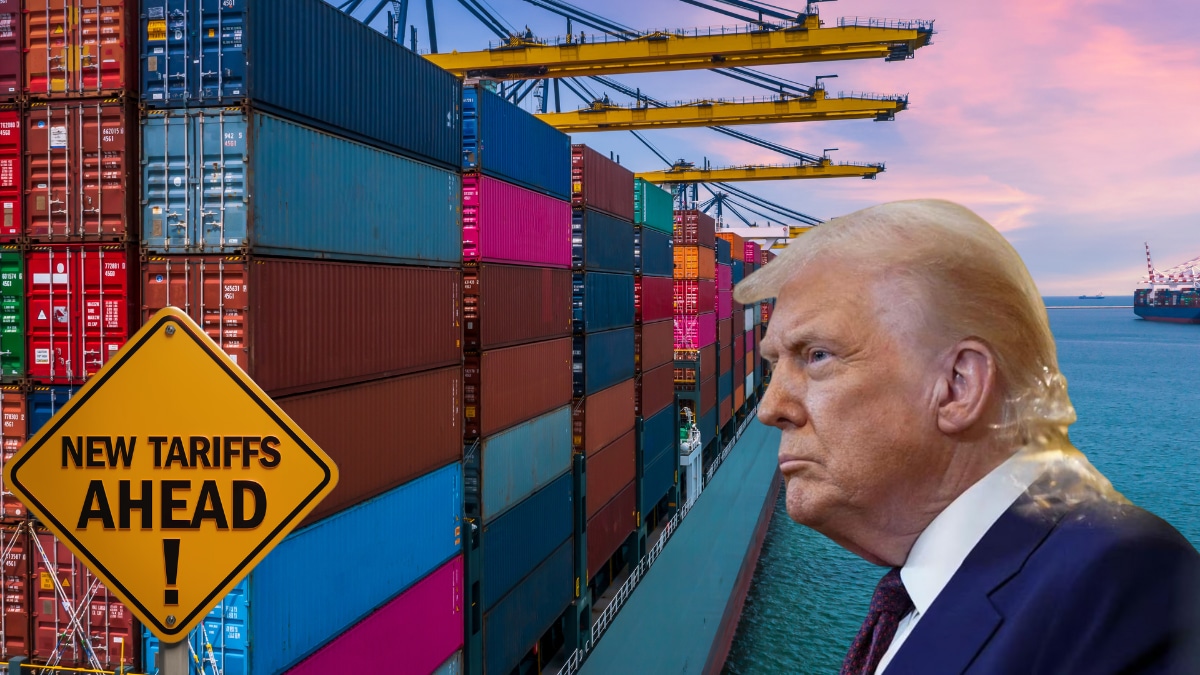
- Many surmise that this dispute raises broader questions about the future of North American economic integration.
- It's common for businesses to value predictable rules because they support investment and long-term planning.
- Yet these extended trade tensions could encourage companies to diversify supply chains or shift production, potentially reshaping manufacturing and trade patterns across the region.
- When the U.S. imposed a 50% tariff on imports from India in 2025, it caused Indian economic tensions; however, an interim reciprocal trade deal reduced duties and averted broader long-term damage to bilateral trade.
Frequently Asked Questions:
1. Why a 50% tariff on Canada?
Ans) The U.S. imposed a 50% tariff on selected Canadian goods, arguing that certain Canadian policies affecting sectors such as dairy, automobiles, and alcohol unfairly disadvantage American businesses. The measure is intended to increase pressure during trade negotiations and encourage changes to those policies. It applies only to specified products, not all imports.
2. Does Canada impose tariffs on the USA?
Ans) Yes. Canada imposes tariffs on some U.S. goods under its customs schedule and maintains tariff-rate quotas on products such as dairy, poultry, and eggs. However, under the Canada-United States-Mexico Agreement (CUSMA/USMCA), most qualifying goods traded between the two countries enter duty-free, while some sensitive sectors remain protected.
3. Is a tariff good for Canada?
Ans) Tariffs can protect Canadian industries from foreign competition and support domestic production. However, they may also raise prices for consumers, increase costs for businesses relying on imported materials, and invite retaliatory trade measures. Their overall impact depends on the products involved, the duration of the tariffs, and broader economic conditions.
4. What does the US need from Canada?
Ans) Canada is one of the United States' most important trading partners, supplying crude oil, natural gas, electricity, vehicles, auto parts, lumber, aluminum, potash, critical minerals, agricultural products, and manufactured goods. These imports support U.S. energy security, manufacturing, construction, and food supply chains, making Canada a strategically important economic partner.
5. What is Canada’s biggest export to the USA will it be imposed with a tariff?
Ans) Canada's largest export to the United States is crude oil, followed by vehicles, machinery, and mineral products. Under the announced 2026 measures, energy products such as crude oil are exempt from the new 50% tariffs, meaning Canada's largest export is not currently subject to the additional duty, although future policy changes remain possible.
Conclusion
Trump has made many governance policy in his serving years; reportedly, the currently proposed 50% U.S. tariffs on selected Canadian goods represent a significant escalation in bilateral trade policy. Those supporting view these measures as a response to perceived unfair treatment of American exporters, while critics warn they could increase costs, disrupt supply chains, and strain one of the world's closest trading relationships.
The tariffs are scheduled to take effect on August 19, 2026; so the possibility of negotiations remains. If both sides reach mutual terms and agree on a compromise before implementation, they may avoid a broader trade conflict. If not, the effects are likely to be felt by businesses, consumers, and workers in both countries, reinforcing the importance of balancing domestic economic priorities with stable international trade relationships.
Follow Micromunch for more such business, trade, and world economy-related updates, and keep reading for more information.
By P. Manika (Performist Content Writer)
You may Also Like

Can You Make a Consistent Monthly Income from Betting? The Best Skill-Based Betting Platforms and Strategies

Trump’s America by the Numbers: Economy, Crime, Inflation & the Social Media Presidency